


SEO for beauty brands that shows up before the shopper picks a brand.
Nobody starts with your name. They start with a concern, an ingredient they read about, or a routine they are trying to build. That is where preference forms, and most beauty sites have nothing published there at all.
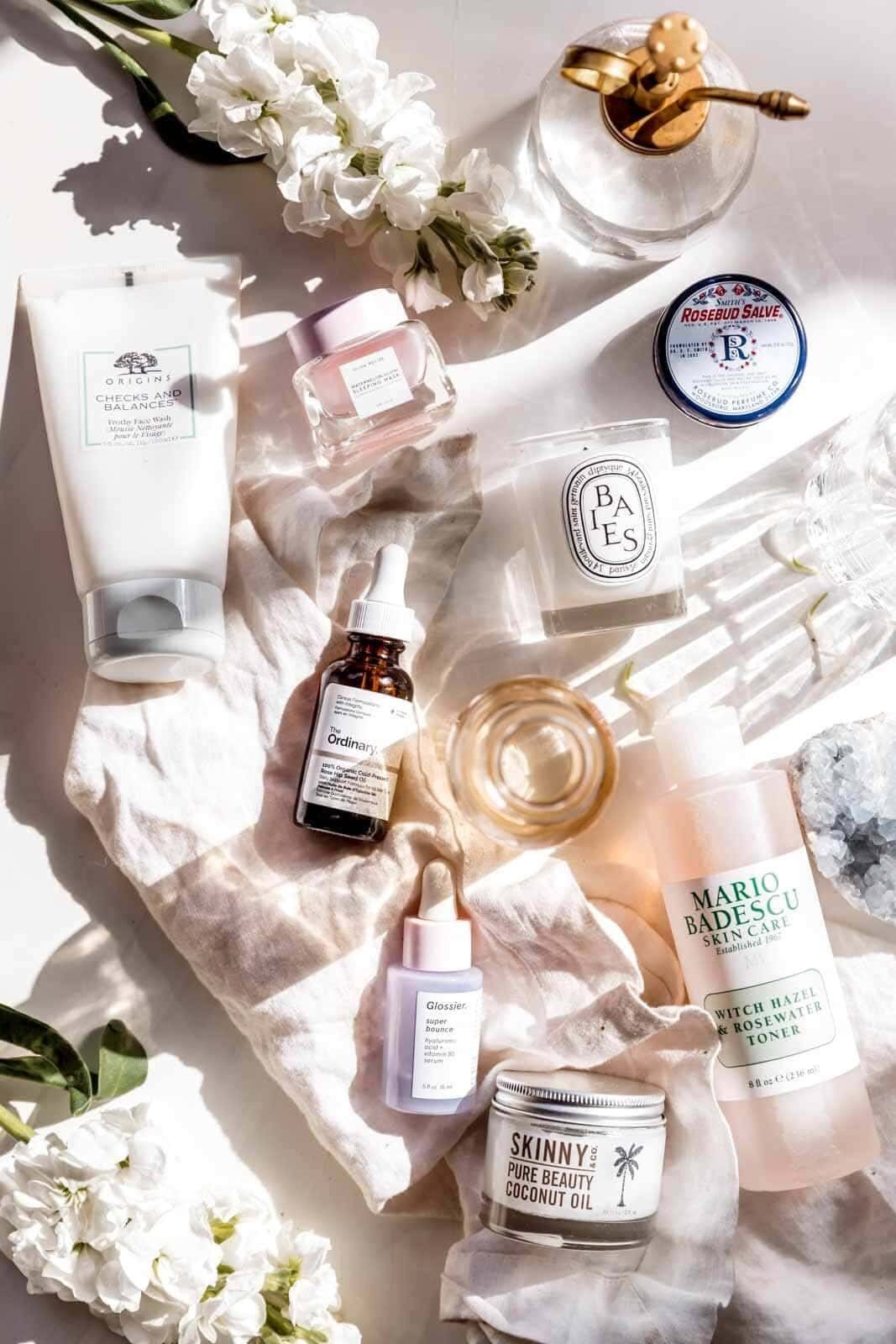
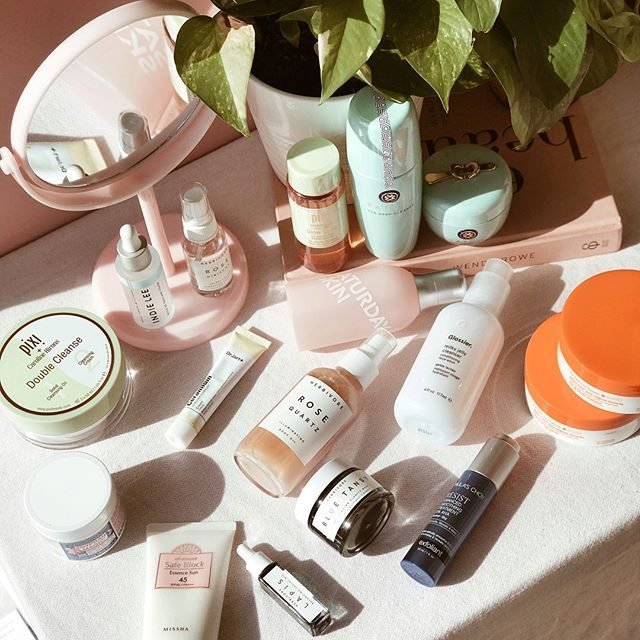
People search the problem long before the product.
Beauty search starts with a concern. Somebody has a problem and wants to understand it before they spend money on it. That research phase is enormous, it is where trust is built, and almost every brand skips it in favour of a shop page.
- One page per concern you genuinely address, written honestly
- What causes it, what helps, and what will not, stated plainly
- Ingredients that matter for that concern, linked to explainer pages
- Your products introduced in context rather than dropped in as a banner
- Routine guidance, because concerns are solved by routines not single products
- Named author with real credentials and a visible review date
Four things that cap almost every beauty site.
These are not aesthetic problems. Beauty sites are usually beautiful. They are structural.
No concern content
The largest search layer in the category is missing entirely. The site starts at the product, which is the last step in a long research process.
Ingredients as images
The INCI list lives in a photograph of the carton. Every ingredient search anyone could place against your product is invisible to a search engine.
Shade pages splitting authority
Thirty near identical pages, one per shade, all competing with each other and none of them strong enough to rank.
Retailer listings outranking you
The same product description sits on your site and on four retailer sites. Theirs have more authority, so theirs win your own brand terms.
Beauty search is skeptical search.
Beauty is a category where the buyer has been disappointed before. They have bought the thing that was going to fix it and it did not. So the research is defensive: does this ingredient actually do anything, is this concentration meaningful, is this brand exaggerating, what do people who bought it say six months later.
That skepticism is an opportunity, because it is answered by exactly the content most brands are afraid to write. A page that says plainly what an ingredient does, what the evidence supports, what it will not do and who should avoid it builds more trust than any amount of marketing language. It also happens to be the content that ranks, because it matches what people typed.
Grand View Research reports that 89 percent of US consumers purchase skincare products and 46 percent follow a daily skincare routine, with 58 percent of Gen Z having bought a skincare product in the previous month. This is a category with near universal participation and a very high proportion of people actively trying to learn. The demand is not the constraint. The published answers are.
The brands that win this are usually not the biggest. They are the ones that decided to be genuinely useful about their own category, published it properly, and let the products sit inside content that earned the visit. Most of it runs on top of standard e-commerce SEO.
Four layers of demand and your brand name is only the last one.
The volume sits at the top of this list. Most beauty sites only compete at the bottom of it.
Concern and symptom
The largest layer, and the one almost nobody publishes for.
- how to treat hyperpigmentation
- why is my skin barrier damaged
- what causes hormonal breakouts
- best routine for combination skin
Ingredient and formulation
Skeptical, specific, and high converting once trust is built.
- what does niacinamide do
- retinol vs retinal
- can you use vitamin c and aha together
- is [ingredient] safe in pregnancy
Routine and layering
Post purchase and pre purchase at the same time.
- what order to apply skincare
- how long between serum and moisturiser
- morning vs evening routine
- how to introduce retinol
Shade, match and comparison
Highest intent, and where returns get prevented.
- how to find your foundation shade
- undertone cool or warm
- [brand] vs [brand] foundation
- dupe for [product]
Most beauty SEO optimises the shop and ignores the research.
The usual engagement tidies product titles and adds a blog. It leaves the entire research layer, which is where the category is actually decided, untouched.
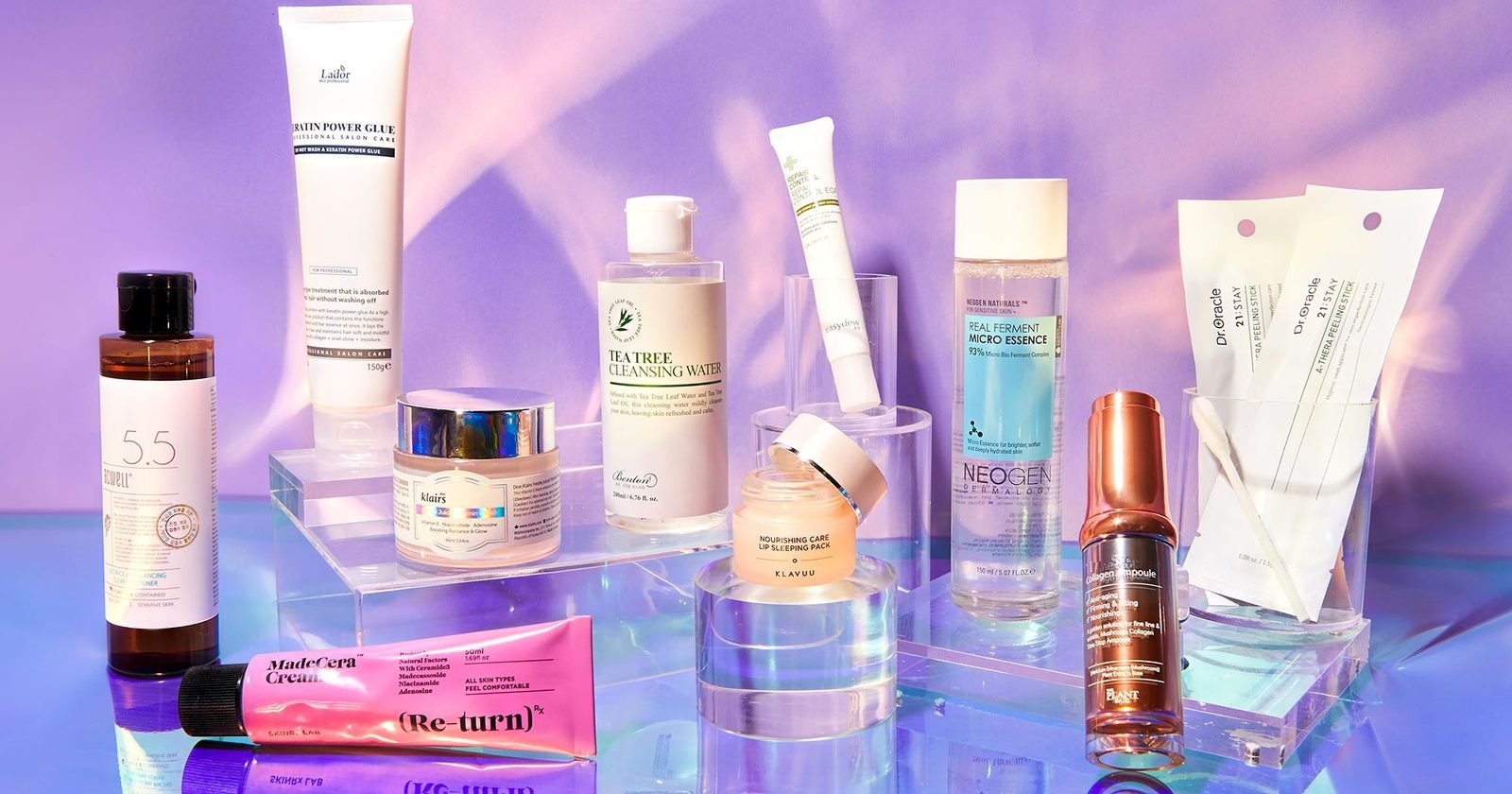
Your own product pages are losing to your own stockists.
Search your brand name and a product. If Sephora, Ulta or Amazon appears above your own page, it is because they published the same description you did and they carry more authority. The fix is to stop publishing the same description.
- Product pages carrying formulation detail no retailer listing holds
- Full ingredient list as text with a reason each active is included
- Texture, finish, wear time and skin type suitability written out
- Your own reviews and questions, adding text nobody else has
- How to use, layered into the page rather than hidden in a tab
What should I use for a damaged skin barrier and what should I avoid?
Skincare questions are among the most asked of assistants.
What does this ingredient do, can I use these together, what should I use for this concern. Assistants answer these constantly, and they build the answer from published sourced pages rather than from product marketing.
- Direct answers placed high on the page where a model can lift them
- Ingredient lists and concentrations published as text, never only as an image
- Author credentials and review dates that establish who is speaking
- Consistent product facts across your site, retailers and marketplaces
Where a beauty program usually extends.
Most beauty brands overlap with at least one of these.

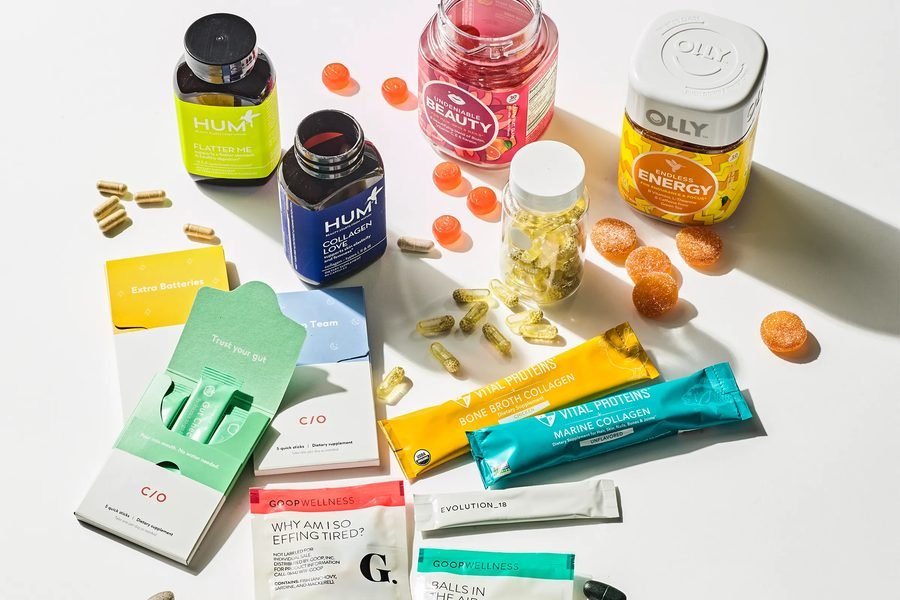

SEO for beauty brands that wins the concern and ingredient research, where preference actually forms, rather than arriving at the very last click.
Beauty SEO, answered.
An audit maps the concerns and ingredients in your range against the demand around them and what your site currently publishes.
Talk to a strategistOur brand is built on social. Why does search matter?
What content actually ranks in beauty?
Can we make claims about what our products do?
Should we publish a page per shade?
How do we compete with Sephora, Ulta and Amazon?
Does INCI and ingredient listing matter for SEO?
What about user generated content and reviews?
How long does beauty SEO take?
We are launching a new product. When should content start?
Do we need a separate site for each brand in our portfolio?
Tell us what you sell. We will tell you what is possible.
Two minutes now, a straight answer back within one business day. No obligation and no sales sequence.
(708) 289-1530
See the concern demand your range should be answering.
We map search volume for every concern and active in your line against the pages you have published.