


SEO for DTC brands that stops growth depending on the price of an impression.
The machine that built your brand was creative into paid social and margin back into more creative. It still works, it just costs more every quarter. Search is the channel that moves the other way.

Paid acquisition resets every month. Search accumulates.
Most DTC brands were built on a specific machine: creative into paid social, traffic into a well built store, contribution margin back into more creative. It worked extremely well for about a decade, and the reason it works less well now is structural rather than cyclical.
Two things changed permanently. Privacy changes degraded the targeting precision that made cold prospecting efficient, and the number of brands competing for the same impressions grew faster than the audience did. Better creative helps at the margin. It does not reverse the direction, because the direction is not a media buying problem.
The awkward part is what SEO offers in response, which is not a faster channel. It is a slower one that behaves differently. A paid campaign delivers this month and delivers nothing next month if you stop. A page that ranks delivers every month, costs nothing incremental, and gets stronger as the site around it gets stronger. Over two years those two curves cross, and after they cross the gap widens.
Which is why the right time to build it is while paid is still working. A brand that starts search when paid stops being profitable has to fund a six to twelve month build out of a shrinking margin, which is the hardest possible moment to do it. The brands that get this right treat search as infrastructure they were always going to need, and they start early. Most of it sits inside e-commerce SEO.
Search is not another performance channel.
Treating it like paid, with monthly targets and quarterly patience, is the most common way DTC brands waste money on SEO.

Your own name is being monetised by other people.
This is the fastest win available to almost every DTC brand and it is usually invisible until somebody looks. Search your brand plus a product, plus reviews, plus discount code, plus dupe. Count how many results are yours.
- Product pages built to beat a marketplace listing rather than duplicate it
- Your own reviews on your own pages, adding text nobody else has
- Comparison content covering the alternatives people are already searching
- Dupe and cheaper alternative searches answered honestly by you
- Discount and coupon searches handled rather than left to affiliates
- Brand entity information consistent everywhere it appears
Four gaps that show up on nearly every DTC site.
These are not technical problems. Most DTC sites are technically fine. They are coverage problems.
No non brand footprint
The site ranks for the brand name and nothing else. Every visitor was already paid for somewhere, which means search is a reporting line rather than a channel.
Category questions unanswered
The questions people ask before they know your category exists are answered by publishers and affiliates, who then recommend somebody else.
Thin product pages
Beautiful photography, forty words of copy. Nothing for a search engine to read and nothing that beats the same product on a marketplace.
Post purchase content missing
Usage, care, sizing and troubleshooting are searched constantly by customers. Answering them reduces returns and support load and almost nobody does it.
Four layers, and paid social only reaches one of them.
Ads interrupt people who were not looking. These are people actively looking, and most of them will never see your ad.
Problem and need
Before the person knows your category is the answer.
- how to stop [problem]
- what helps with [situation]
- why does [thing] keep happening
- is there a better way to [task]
Category and evaluation
They know the category, not yet the brand.
- best [category] for [use case]
- is [category] worth it
- what to look for in [product type]
- [category] buying guide
Comparison and alternative
Where the purchase is decided, and where affiliates live.
- [brand] vs [brand]
- alternative to [competitor]
- cheaper version of [product]
- [product] dupe
Post purchase
Cheap to write, reduces returns, drives repeat.
- how to use [product]
- how to care for [material]
- [product] not working
- how long does [product] last

Run them as one system or they will hide each other.
Most DTC brands run paid and search in separate silos with separate reporting, which makes both look worse than they are. Search data tells you what people actually want in their own words. Paid tells you which of those messages converts. Each one should be feeding the other.
- Search query data used to write ad creative and landing page copy
- Paid conversion data used to prioritise which content gets built
- Blended CAC tracked rather than channel ROAS in isolation
- Branded paid spend reduced as organic brand coverage improves
- One reporting view so the two channels stop taking credit from each other
What are the best options in this category and how do they compare?
Recommendation questions now go to assistants first.
What is the best product for this, what is a good alternative to that brand, is this worth the money. Assistants answer these constantly, and they build the answer from published content rather than from advertising. See AI search visibility.
- Direct answers on the page where a model can lift them
- Honest comparison content, including where a competitor fits better
- Consistent brand and product facts across your site, retailers and marketplaces
- Product schema carrying price, availability, reviews and attributes
Category specific pages that go deeper than this one.
If you sell in one of these, start with the category page.



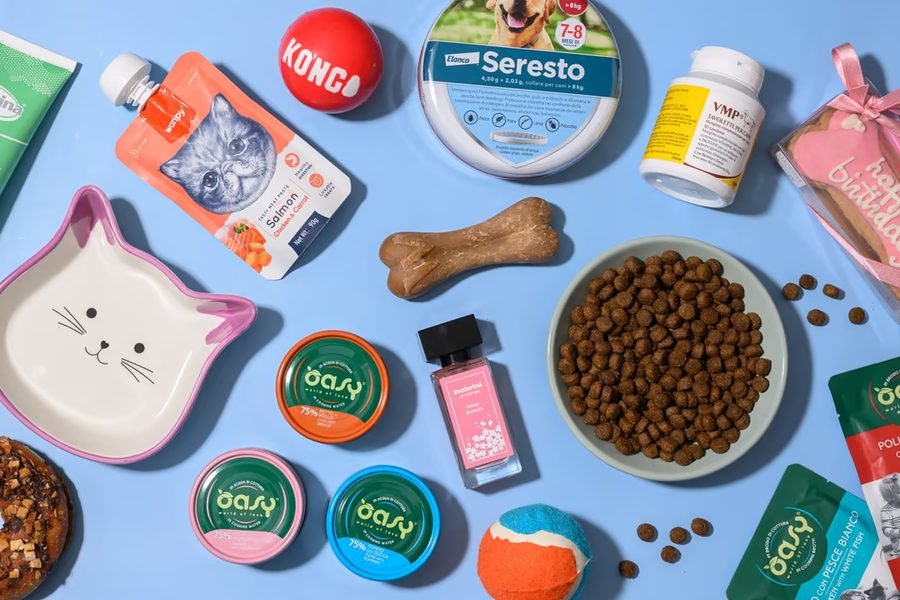
SEO for DTC brands that builds the owned channel while paid still works, so the cost of the next customer stops being the whole business model.
DTC SEO, answered.
An audit shows how much of your traffic is brand only, and what non brand demand exists around your category.
Talk to a strategistWe grew on paid social. Why start with SEO now?
How long before SEO contributes meaningfully?
Our brand name is being outranked by resellers and affiliates.
What is the dupe problem?
Should we build a blog?
How does SEO work alongside paid?
Does SEO help with retention or only acquisition?
We sell on Amazon too. Does that hurt our site?
Is DTC still growing as a channel?
What if we are in a category you have already covered?
Tell us what you sell. We will tell you what is possible.
Two minutes now, a straight answer back within one business day. No obligation and no sales sequence.
(708) 289-1530
See how much of your traffic you are currently paying for.
We separate brand from non brand demand and show you the gap between what you buy and what you could own.