
SEO for food and beverage brands that turns shelf space into search demand.
Every unit you sell in retail creates searches. Somebody photographs the label, searches the name, checks the ingredients and tries to find where else to buy it. Most brand websites answer none of those questions.
Distribution creates search. Search should return you.
A product in a grocery aisle is a discovery mechanism. The shopper who picks it up is qualified, curious and holding a phone. That search happens whether or not you have built anything to receive it, and right now it usually resolves to a marketplace listing, a review aggregator or nothing at all.
- A real product page per SKU, not a catalog thumbnail
- Full ingredient list and nutrition as text, not as an image of the label
- Where to buy, by retailer and by region
- Usage, pairing and recipe content for products that need it
- Allergen and dietary information written plainly
- Reviews and questions on the page rather than only on Amazon
What people search after they see your product.
These are placed by somebody who already has your product in their hand or in their cart. It is the cheapest qualified demand a food brand will ever get.
Brand and product
Post purchase, highest intent, usually captured by a marketplace.
- [brand] [product name]
- [brand] ingredients
- [brand] where to buy
- [brand] nutrition facts
- is [brand] gluten free
Ingredient and label
The questions a shopper asks standing in the aisle.
- what is [ingredient]
- is [ingredient] safe
- [ingredient] vs [ingredient]
- why is [ingredient] in [product category]
Usage and recipe
What happens after the first purchase, and what earns links.
- how to use [product]
- [product] recipes
- what to make with [product]
- substitute for [ingredient]
Category and comparison
Pre purchase discovery, the hardest and most valuable.
- best [category] brands
- [brand] vs [brand]
- healthiest [category]
- organic [category] brands
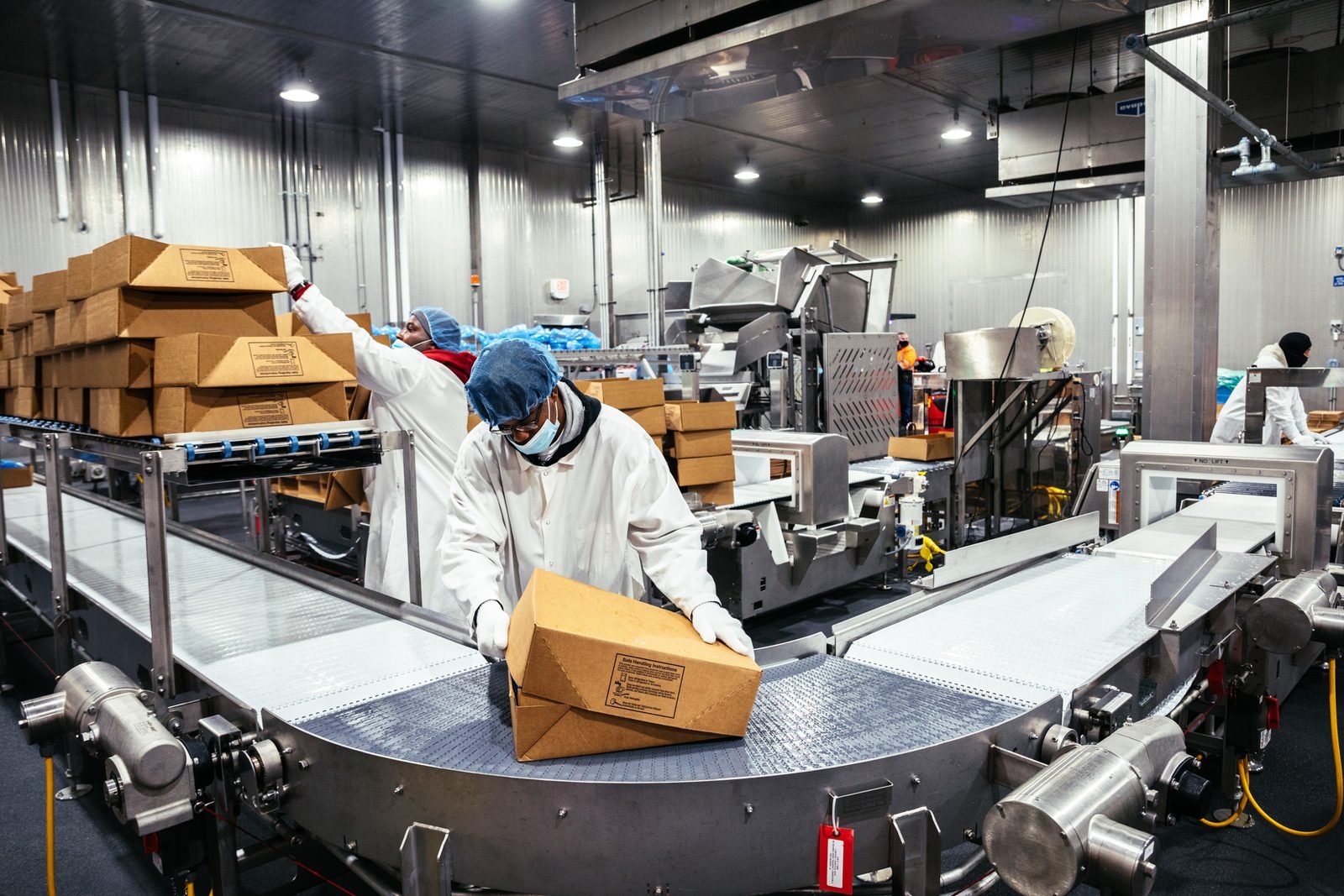
The page most food brands never build properly.
A where to buy page is the single highest converting page a retail food brand can publish, and most treat it as an afterthought. Somebody searching it has already decided to buy. All that is left is telling them how, and doing it in a way search engines and assistants can read.
- Filterable by product and by region, with real retailer names
- Retailer names in text so the page ranks for brand plus retailer searches
- Direct links to product pages on retailer sites where allowed
- Online options listed alongside physical stockists
- Kept current, because a stale stockist list damages trust immediately
Private label is taking share and trust is the defence.
Store brands have been gaining ground steadily. Circana put private brand unit share of consumer packaged goods at 23.9 percent by the end of 2025, up from 22.1 percent in 2021, with food and beverage leading private label performance. The same research found that 80 percent of shoppers say it is important to buy a food brand they trust.
Those two facts belong together. A store brand competes on price and shelf position. It cannot easily compete on the story of where an ingredient comes from, how the product is made, who makes it or what to do with it. Those are exactly the things a brand site can publish and a private label rarely bothers to.
This is why content depth is a commercial defence rather than a marketing exercise. When a shopper checks a label and searches an ingredient, the brand that has written a clear honest answer builds trust in the moment of doubt. The brand that has nothing sends that shopper to a forum thread instead.
It also matters for the channel. Category buyers research brands before taking a meeting, and a brand that looks substantial online is a materially easier listing conversation than one with a homepage and a contact form.
The pages a retail food brand is usually missing.
None of these are expensive to produce. They are simply never anyone specific job, so they do not get made.
A page per SKU
Not a catalog grid. A real page with the full ingredient list, nutrition panel, allergens, size and format, all as text so it can be indexed and quoted.
Ingredient explainers
One page per ingredient people ask about. What it is, why it is in the product and what it replaces. This is the content that earns links and gets cited.
Where to buy
Retailers and regions, filterable, with names in text. The highest converting page a retail brand can publish and the one most often left as a widget.
Usage and recipes
What to do with the product after the first purchase. It drives repeat buying and it is the strongest link earner available in this category.
Food brand sites are usually built as brochures.
A beautiful brand site that answers no questions is a brochure. It works for people who already know you and does nothing for the ones who just found you.
Which brands make a gluten free version of this without added sugar?
Shoppers now ask assistants what is in things.
Ingredient, allergen and dietary questions are close to ideal for an AI assistant, and the answers get built from whatever is published. A brand whose label detail only exists as a photograph is invisible in that conversation.
- Ingredient and nutrition detail published as text, never only as an image
- Direct answers to allergen and dietary questions on the page
- Consistent product facts across your site, retailers and listings
- Product schema so an assistant can verify what it repeats
Where a food and beverage program usually extends.
Most food brands overlap with at least one of these.

SEO for food and beverage brands that captures the searches your retail distribution already creates, instead of handing them to a marketplace.
Food and beverage SEO, answered.
An audit shows what your current distribution is generating in search and how much of it your site is capturing.
Talk to a strategistWe sell through retail, not online. Why does SEO matter?
What is a where to buy page and does it work?
Should we publish recipes?
How much does ingredient content matter?
Can we make health claims in content?
Do we compete with Amazon and Instacart for our own brand?
What about seasonal products?
How long does this take to work?
We are launching a new SKU. When should SEO start?
Does any of this help us win retail listings?
Tell us what you sell. We will tell you what is possible.
Two minutes now, a straight answer back within one business day. No obligation and no sales sequence.
(708) 289-1530
See what demand your shelf space is creating.
We measure the search volume around your brand and products, then show you where it currently lands.