
California SEO company for brands that live and die on Shopify.
Apparel, beauty and supplement brands here are usually excellent at paid social and structurally weak in organic search. The store converts, the ads work, and then the acquisition cost climbs and there is nothing underneath it.

Great at acquisition, structurally weak underneath it.
There is a recognisable shape to a California consumer brand. The product is good, the photography is excellent, the store converts well, and the growth came from creative into paid social with margin recycled into more creative. It is a machine that worked extremely well for about a decade.
What sits underneath it is usually nothing. The site ranks for the brand name and almost nothing else. Collection pages, which target the terms with the most commercial volume in the whole store, contain a heading and forty thumbnails. Variants are split across a dozen near identical pages. Last season's drop was deleted along with every link it earned.
None of that mattered while paid acquisition was cheap. It matters a great deal when the cost of the next customer keeps rising, because at that point the only alternative channel is one that takes six to twelve months to build and you needed to have started already.
The work is less glamorous than it sounds and more structural than most brands expect. It is collection page content, variant consolidation, permanent URLs for seasonal ranges and taking back the brand terms that retailers and marketplaces are currently holding. None of it requires leaving Shopify and all of it compounds.
Four things wrong with almost every Shopify build.
These are not design problems. Most California stores are beautiful. They are architecture problems, and they cap the site regardless of how much traffic you buy.
Empty collection pages
A heading and a product grid. These target the highest volume commercial terms in the store and give a search engine nothing to assess.
Variant sprawl
A separate indexable page per colour or size, so a dozen near identical pages compete with each other and none of them is strong enough.
Deleted drops
Every seasonal range removed at the end of its cycle, taking its links and history with it. The site starts from nothing every year.
Retailers holding your name
Search your brand plus a product and count how many results are yours. For most brands here the answer is uncomfortable.
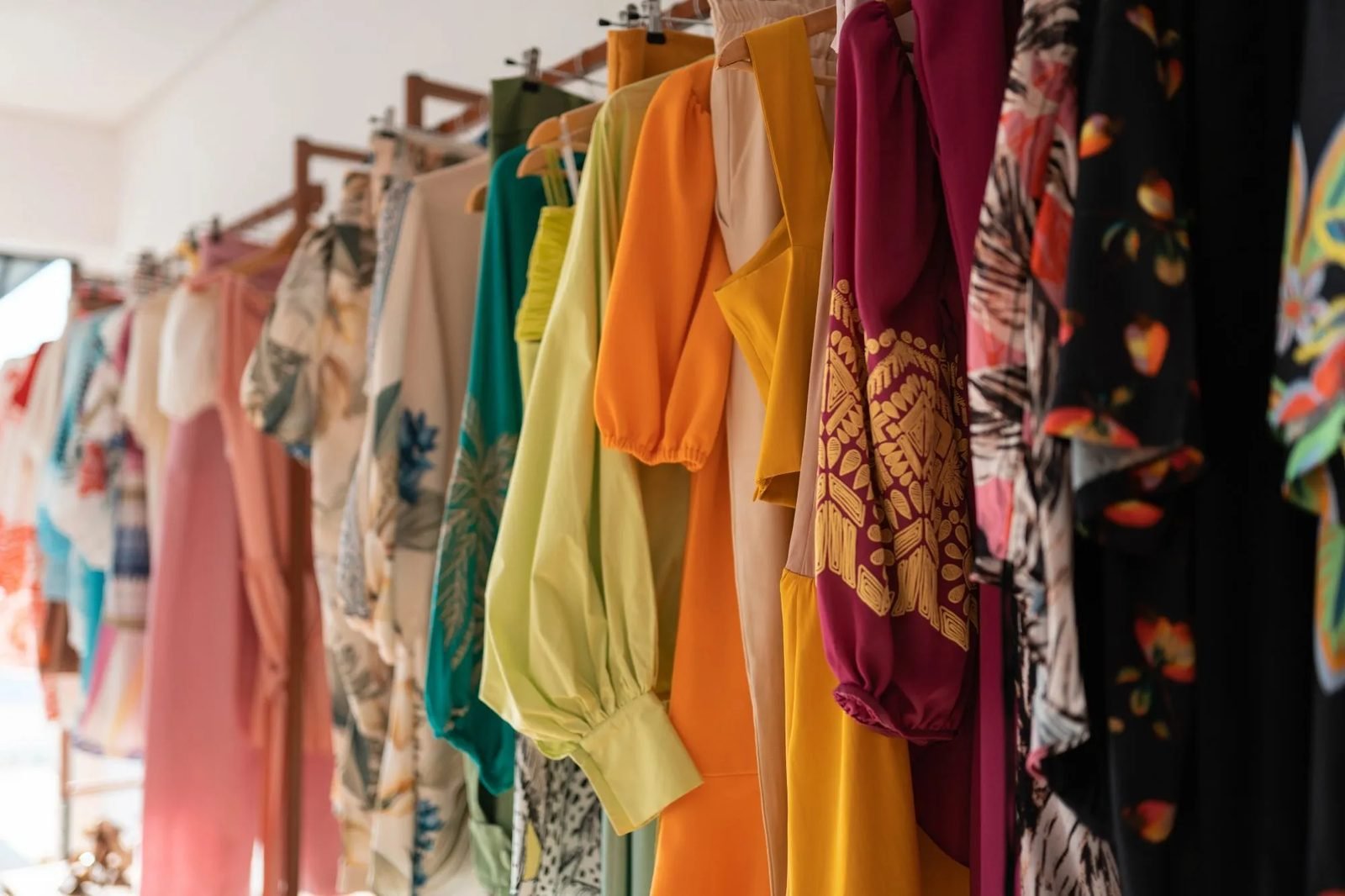
The page that should rank is usually the emptiest one.
This is where the volume is in any consumer store. Collection pages sit above every product, they target the category terms people actually search, and in a typical Shopify build they contain a heading and a grid. Adding real content to them is the fastest structural win available.
- Category text explaining the range, the fit, the formulation, the use
- Placed above or below the grid, not hidden in a collapsed accordion
- Internal links to related collections and to guidance content
- Filter and sort URLs controlled so they do not generate near duplicates
- Seasonal collections on permanent URLs, updated rather than replaced
- One collection per genuine category, not one per colourway
Most California brand SEO stops at product titles.
The usual engagement optimises product pages and adds a blog. Neither touches the three things actually capping the store.
Four layers, and paid social reaches one of them.
Ads interrupt people who were not looking. These are people actively looking, and most of them will never see your creative.
Category
The volume, and where collections should rank.
- best [category] for [use case]
- [category] brands
- affordable [product type]
- [category] for sensitive [attribute]
Comparison and alternative
Where the purchase is decided.
- [brand] vs [brand]
- alternative to [competitor]
- dupe for [product]
- is [brand] worth it
Brand defence
Terms you should own and often do not.
- [brand] [product]
- [brand] reviews
- [brand] discount code
- where to buy [brand]
Post purchase
Cheap to write, reduces returns, drives repeat.
- how to use [product]
- how to care for [material]
- [product] sizing guide
- how long does [product] last
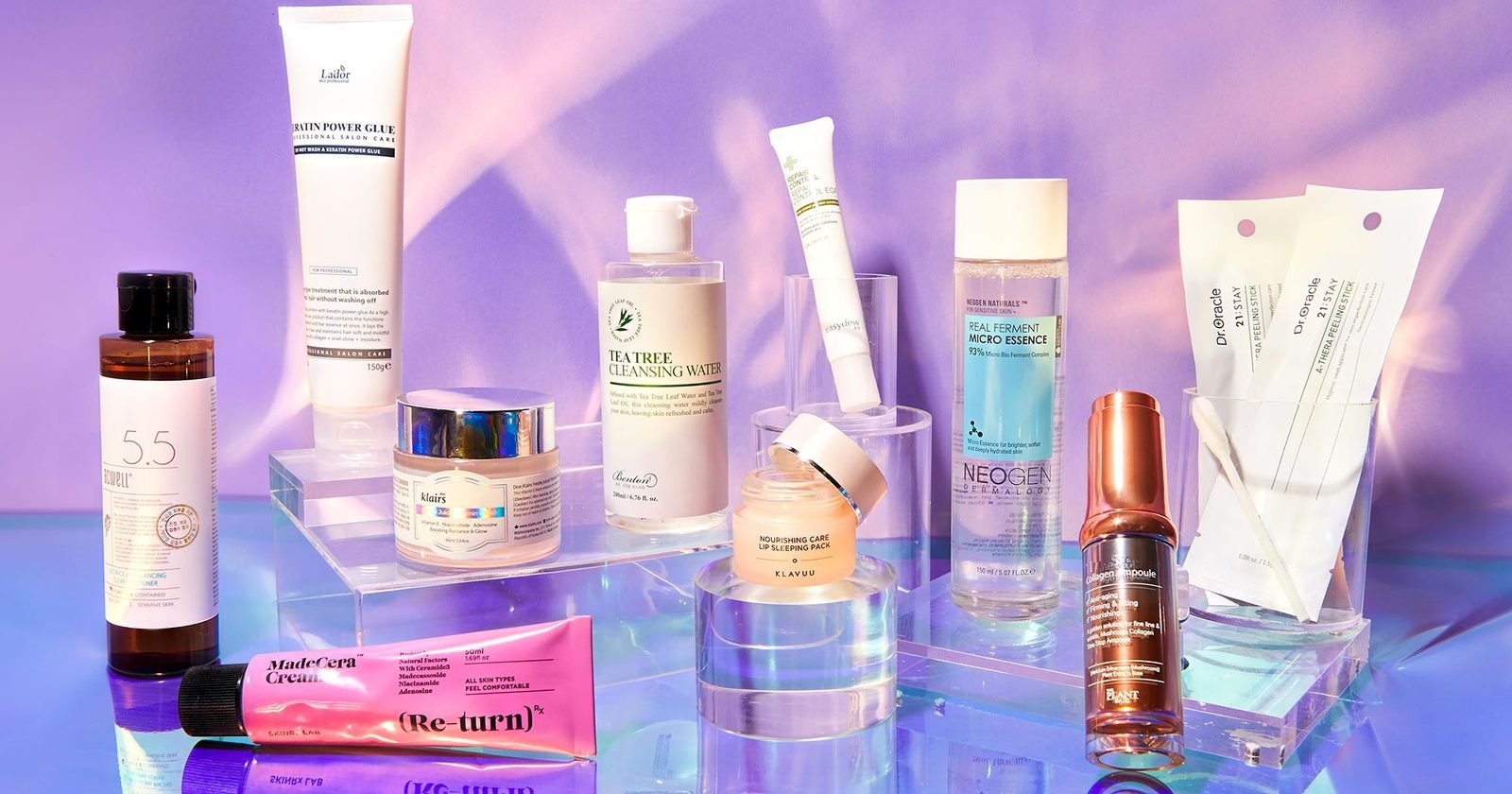
The archive problem that resets your authority every year.
Consumer brands are one of the few categories that deliberately destroy their own search authority on a schedule. A drop launches, ranks, earns links, sells through, and gets deleted. Next season it all starts again from zero.
- One permanent URL per recurring range, updated rather than replaced
- Sold out products kept live with alternatives shown
- Past season items archived rather than returning a 404
- Evergreen category content that survives every drop
- Reporting by year over year for the same weeks, not month over month
What are the best options in this category and how do they compare?
Recommendation questions are moving to assistants.
What is the best option in this category, what is a good alternative to that brand, is this worth the money. Assistants answer these from published content rather than from advertising, which is a channel your paid budget cannot buy into.
- Category and product detail written as text a model can quote
- Honest comparison content, including where a competitor fits better
- Consistent brand facts across your site, retailers and marketplaces
- Product schema carrying price, availability, reviews and attributes
Where a California program goes.
Most brands here need at least one of these.


California SEO that fixes what is structurally broken in a Shopify store, so there is something underneath the paid budget when it stops being cheap.
Shopify brand SEO, answered.
An audit checks your collection structure, variant handling and how much of your traffic is brand only.
Talk to a strategistWe are good at paid. Why does organic matter?
How competitive is California really for DTC?
What is structurally wrong with most Shopify stores?
Why are collection pages such a problem?
Should each colour or size have its own page?
What do we do with seasonal drops?
How long before organic contributes meaningfully?
Can we run both channels without them fighting?
Is this the same as your DTC brands page?
Do we need to leave Shopify?
Tell us what you sell. We will tell you what is possible.
Two minutes now, a straight answer back within one business day. No obligation and no sales sequence.
(708) 289-1530
See how much of your traffic you are paying for.
We separate brand from non brand demand and show you what the store structure is currently costing you.