


Michigan SEO company for suppliers who get chosen before the RFQ is written.
Automotive supply runs on relationships and portals, so most Michigan suppliers assume search is irrelevant. It is not. The engineer who decides which three suppliers get invited to quote does that research long before any RFQ exists.
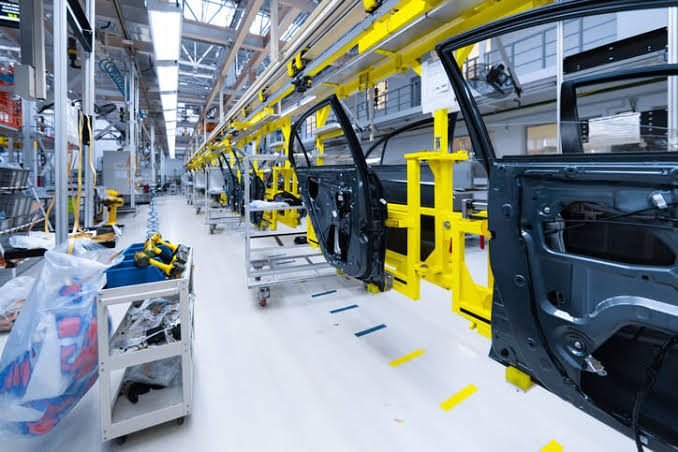
You are competing for the invitation, not the quote.
Almost all supplier sales effort goes into the right hand column. Almost all of the decision happens in the left.
Four questions that decide whether you make the list.
None of these are answered by a company overview, and all of them are answered by capability content most suppliers have never published.
Can you physically do it
Process, material, part size envelope, tolerance range. The first filter and the one most sites answer with adjectives instead of numbers.
Can you validate it
PPAP capability, measurement systems, in-house testing, IATF status. Automotive is a validation business and this is checked early.
Can you do it at our volume
Capacity, tooling capability, and whether you are equipped for prototype, low volume or full production. Suppliers routinely fail to say.
Have you done it before
Similar applications, described specifically. You probably cannot name the customer, and you can describe the problem and the solution.
The channel looks closed from the inside.
Ask a Michigan tier one or tier two supplier about search and the answer is usually some version of the same thing. Our customers are four OEMs and a handful of tier ones. We are on their approved vendor lists. Business comes through the portal and through people we have known for twenty years. Nobody finds us on Google.
All of that is true and it describes the business you already have rather than the business you could get. The approved vendor list is a snapshot of capabilities somebody once needed. When a new programme requires something nobody on the list does, or when a sourcing engineer is new, or when a programme moves to a different platform, somebody goes looking. They look the way everybody looks now.
What makes this particularly worth acting on in Michigan is the density. With 96 of the top hundred North American suppliers present in the state and more than half of all US automotive research spending happening here, the engineers doing the specifying are close by and the competition for their attention is intense. Relationships do not distinguish you when every competitor has them too.
The work itself is unglamorous and it is the same work a manufacturer anywhere needs: write down what you can actually do, at the depth an engineer uses, on pages a search engine can read. The difference here is that the audience is unusually concentrated and unusually technical, so the content has to be genuinely good rather than merely present.
Capability and validation, never a company name.
These are placed while a requirement is being scoped, which is exactly when you can still influence who gets invited.
Process and capability
The first filter.
- [process] supplier for [component type]
- who can [process] [material] to [tolerance]
- high volume [process] north america
- prototype and production [process] supplier
Validation and quality
Checked early, rarely published.
- iatf 16949 certified supplier
- ppap capable [process] supplier
- in house cmm measurement supplier
- supplier with [test] capability in house
Material and application
Where new programmes create demand.
- [material] for [application] automotive
- lightweighting [component] supplier
- ev battery [component] manufacturer
- high temperature [material] moulding
Capacity and programme fit
Almost never answered on a site.
- low volume automotive supplier
- supplier for launch volumes under [n]
- second source [component] supplier
- north american alternative to overseas supplier

The engineering answer, not the marketing one.
A capability page for this audience is written for somebody who will check your numbers. It should read like a technical summary rather than a brochure, and it should say what you will not take on as clearly as what you will.
- One page per process, and per material where buyers search it that way
- Tolerance ranges, part envelopes and volumes as numbers
- Validation capability stated: PPAP, measurement systems, in-house testing
- Certifications as pages, with scope written out
- Applications described specifically, without naming the customer
- What you decline, because that qualifies harder than anything else
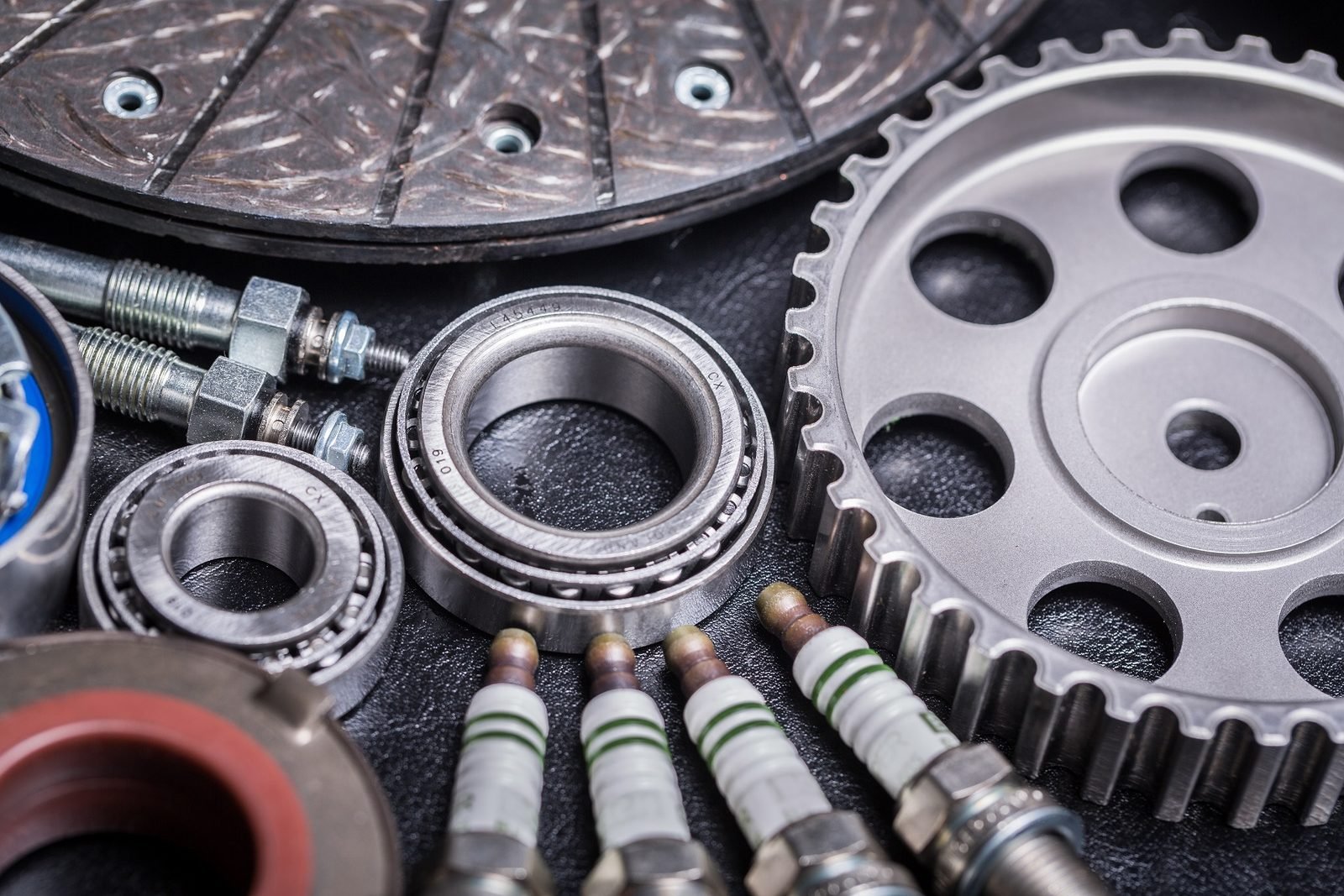
New programmes are when bid lists get rebuilt.
Every shift in what vehicles are made of and how they are assembled creates a moment where the existing supplier list does not cover the new requirement. That is the single best opportunity a supplier has to enter a programme, and it is decided by who the engineer can find.
- Capability pages covering what new programmes actually need
- Materials and processes relevant to current platform changes
- Validation and testing capability, which new requirements stress
- Willingness to take launch and low volumes, stated plainly
- Second source positioning, because new programmes want redundancy
Who can produce this component to this tolerance in North America?
Sourcing engineers use assistants to build a longlist.
Who can hold this tolerance in this material, who has this validation capability, who supplies this component type in North America. Assistants answer from published capability content, and a supplier with nothing published contributes nothing to the list.
- Capability and tolerances published as text a model can quote
- Validation and certification scope written out plainly
- Applications described specifically without breaching confidentiality
- Consistent company facts across your site, listings and profiles
Where a Michigan program goes.
Most suppliers here need at least one of these.


Michigan SEO aimed at the weeks before an RFQ exists, when an engineer is deciding which three suppliers get invited to quote.
Automotive supplier SEO, answered.
An audit compares your published capability against what sourcing engineers in your processes are searching.
Talk to a strategistAutomotive runs on relationships and portals. Why does search matter?
So the RFQ is not the competition?
How competitive is the Michigan supplier base?
What content actually reaches an engineer at that stage?
We are on approved vendor lists already. Is that enough?
Can we mention which OEMs we supply?
Does the EV transition change this?
How much of Michigan's automotive R and D is actually here?
How long before this produces anything?
How is this different from your New Jersey approach?
Tell us what you sell. We will tell you what is possible.
Two minutes now, a straight answer back within one business day. No obligation and no sales sequence.
(708) 289-1530
See what engineers can find out about you.
We check your published capability against what a sourcing engineer would need to shortlist you.