


SEO for auto parts sellers whose fitment lives inside a dropdown.
Every search in this category carries a vehicle. Year, make, model, engine. If that combination only exists behind a selector on your site, there is nothing for a search engine to rank, and the search lands on a marketplace instead.
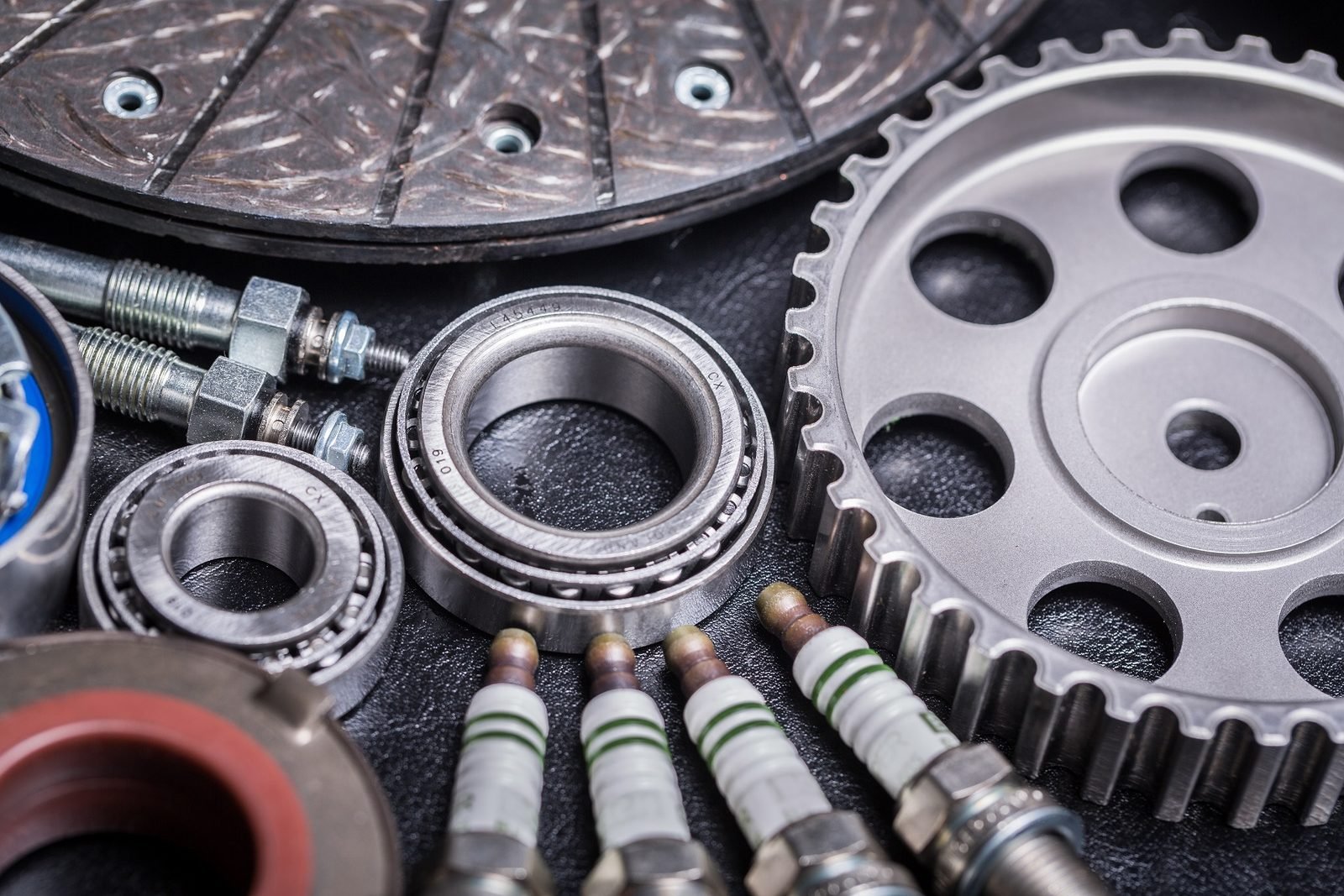
Where auto parts catalogs lose search demand.
Every catalog audit in this category turns up the same four, and they compound on each other.
Fitment trapped in a selector
The year make model combination exists as a query string, not a page. The largest search pattern in the category has nothing to land on.
Blocked part number pages
Part pages get noindexed to control catalog bloat, which throws away the highest intent search anyone places in this industry.
No interchange coverage
Buyers search the OEM number printed on the old part. Without a mapping page, that search goes to whoever published one.
Bad ACES and PIES data
Wrong fitment produces wrong results, returns and suppressed feeds. Content built on top of bad data just spreads the error faster.

The vehicle belongs on the page, not only in the filter.
Fitment is the defining feature of auto parts search and the defining weakness of auto parts sites. Making it indexable, selectively and where demand justifies it, is the single largest opportunity in the category.
- Real indexable pages for the vehicle and part combinations with genuine demand
- Fitment notes written as text, including the exceptions and the caveats
- Engine, trim and sub model qualifiers stated rather than implied
- Clean ACES and PIES data feeding the pages so nothing contradicts
- Internal links from vehicle pages to the parts that fit them
- Rules that stop the long tail generating millions of empty permutations
Auto parts SEO is a data problem before it is a content problem.
Most engagements start by writing category copy. In this category that is the fourth thing to do, not the first.
What auto parts demand looks like in a keyword tool.
Four distinct shapes. Most catalogs are built to serve one of them and only partly.
Vehicle and part
The defining pattern in the category.
- 2018 silverado front brake pads
- brake rotors for honda civic 2016
- f150 5.0 oil filter
- alternator for 2014 camry
Part number and interchange
Highest intent, lowest competition, usually blocked.
- [oem part number]
- [oem number] cross reference
- [aftermarket number] fitment
- replacement for discontinued [number]
Symptom and diagnosis
Upstream of the purchase and almost never covered by sellers.
- grinding noise when braking
- car shakes at highway speed
- check engine light code p0420
- how to tell if wheel bearing is bad
Install, spec and comparison
Where performance and accessory buyers actually live.
- how to replace [part] on [vehicle]
- ceramic vs semi metallic brake pads
- torque spec for [component]
- do i need to replace both sides

The search before the part search is wide open.
Somebody hears a noise before they know what part they need. That diagnostic search is enormous, it is answered almost entirely by forums and video, and it is the natural on ramp to the exact part you sell three clicks later.
- Symptom pages that diagnose honestly and link to the parts involved
- Fault code content, which is searched constantly and rarely sold against
- Install and torque spec content that earns links from enthusiast sites
- Comparison content covering the choice a buyer faces at the point of purchase
- Everything linked back to the fitment pages so the path closes

Two buyers on the same catalog, searching differently.
A repair shop and a weekend DIY buyer want the same part and behave nothing alike. One needs account pricing, availability and a fast reorder path. The other needs to be convinced the part is right before they commit. Most catalogs serve one and quietly lose the other.
- Account and trade pricing handled without hiding the product from search
- Reorder and saved vehicle paths for buyers who come back weekly
- Install difficulty, tools required and time estimates for DIY buyers
- Warranty and return terms stated on the page rather than in a policy link
- Bulk and case quantity options published where you offer them
- Both paths pointing back to the same clean fitment data
What the first year usually looks like.
Data first, then structure, then content. Doing it in any other order wastes the content.
Buried
- Fitment locked in a selector
- Part pages noindexed
- ACES and PIES errors live
- Marketplaces taking the search
Rebuilt
- Fitment data cleaned and validated
- Indexable fitment pages published
- Interchange mapping live
- Part numbers selectively indexed
Found
- Vehicle searches landing on you
- Part numbers ranking
- Symptom content feeding the catalog
- Trade and consumer paths both converting
What brake pads fit this vehicle and what is the OEM equivalent?
Assistants get asked what fits before a catalog does.
Will this fit my vehicle, what is the equivalent of this number, what causes this noise. These are exactly the questions assistants field, and they answer from published fitment and interchange content rather than from a selector tool.
- Fitment stated as text, including exceptions, rather than only in a widget
- Interchange mappings published as tables a model can read
- Consistent part data across your site, feeds and marketplace listings
- Product schema carrying part number, brand and compatibility
Where an auto parts program usually extends.
Most auto parts businesses overlap with at least one of these.


SEO for auto parts sellers that gets fitment, part numbers and interchange out of the filter and onto pages a search engine can actually rank.
Auto parts SEO, answered.
An audit checks your fitment data quality and shows how much of your catalog is genuinely indexed.
Talk to a strategistWhy do our fitment pages not rank?
Should we build a page for every year make model combination?
How important are part number searches?
What is interchange content and why does it matter?
Are we competing with Amazon and eBay?
Does B2B matter or is this mostly consumer?
Our fitment data is messy. Does that block SEO?
How do we handle superseded and discontinued parts?
How long does this take?
Does this work for performance and accessory parts too?
Tell us what you sell. We will tell you what is possible.
Two minutes now, a straight answer back within one business day. No obligation and no sales sequence.
(708) 289-1530
Find out how much of your fitment Google can see.
We crawl the catalog the way a search engine does and show you what is trapped behind the selector.