
SEO for wholesalers whose terms are only available on request.
A retail buyer looking for a line to carry needs four things: what you sell, what the minimum order is, what the terms are and whether you are real. Most wholesale sites publish none of them and wonder why the enquiries are unqualified.

Wholesale is not retail SEO with bigger quantities.
The buyer is a business deciding whether to carry your line. That is a completely different search and a completely different page.
Publish what everybody else makes people ask for.
Minimum order, case quantity, lead time, territory, payment terms and account requirements. Every one of these is searched directly by buyers, and every one of them is normally hidden. Publishing them is the fastest differentiation available in this category, and at scale we build it with programmatic SEO.
- Minimum order quantity stated per line or per category
- Case and pallet quantities, so a buyer can do the maths themselves
- Lead times for stock and for made to order, listed separately
- Territory and exclusivity rules where they apply
- Payment terms and what is needed to open an account
- A clear account application path rather than a general contact form
Four patterns, and the word wholesale appears in most of them.
These are placed by shop owners, buyers and resellers actively looking for a supplier to carry.
Wholesale and bulk
The defining modifier in this category.
- wholesale [product] supplier
- bulk [product] for resale
- [product] wholesale distributor usa
- buy [product] in bulk for my store
Terms and minimums
Searched constantly, published almost never.
- wholesale supplier low minimum order
- [product] wholesale moq
- net 30 wholesale account
- no minimum wholesale supplier
Private label and custom
The highest value pattern in wholesale search.
- private label [product] manufacturer
- white label [product] supplier
- custom branded [product] minimum order
- oem [product] supplier usa
Credibility and vetting
The buyer checking whether you are a real supplier.
- is [company] a legitimate wholesaler
- authorised wholesale distributor [brand]
- how to verify a wholesale supplier
- us based wholesale supplier not a middleman
Every wholesale buyer is quietly checking whether you are real.
This is the part of wholesale search nobody writes about and everybody experiences. The category is full of middlemen presenting themselves as sources, marketplace sellers presenting themselves as manufacturers, and outright scams. A retail buyer about to commit to an opening order and a shelf has learned to be careful.
So before they contact you, they check. They look for a real address and real warehouse detail. They look for whether you state terms plainly or dance around them. They look for brand authorisations, trade references, years in business and whether the site reads like somebody who actually ships pallets. Most of that checking happens on your website, silently, and you never hear about the ones who decided against you.
That means credibility is not a branding exercise here. It is a conversion mechanic. A page that states your minimum order, names the brands you are authorised to carry, describes your warehouse and shipping setup and explains exactly what opening an account involves will convert better than any amount of polish, because it answers the question the buyer is actually asking.
It also happens to be searchable. Buyers type these questions directly, in words like authorised distributor, legitimate wholesaler and us based supplier. If you have written the answer, you catch the search and pass the vetting in the same visit.
Four issues specific to wholesale websites.
These come up in nearly every wholesale audit, and the first one is usually the whole problem on its own.
The catalog is behind a login
Gating price is sensible. Gating the products removes every page from search and leaves you with a homepage competing against an entire industry.
The site reads like a retail store
Nothing says wholesale, nothing states terms, nothing addresses a buyer. The page matches no wholesale search anyone places.
Terms live in a PDF
Minimum order and pricing sit in a downloadable price list, which means the terms buyers search for are invisible to search engines.
No credibility content
No warehouse detail, no authorisations, no trade references. The buyer vetting you finds nothing and moves to a supplier who published it.
The highest value search in wholesale, and it is wide open.
A buyer searching private label has already decided to commit to volume and to put their own name on it. That is a larger, longer and more profitable account than a straight resale order, and almost nobody has written a proper page about it.
- A page per private label category, with realistic minimums stated
- What customisation is actually possible: formula, pack, label, packaging
- Lead times for sampling, approval and first production
- Sample and mockup process explained step by step
- Compliance and labelling responsibilities set out clearly
- A separate enquiry path, because these are not standard orders
What the first year usually looks like.
Unlock the catalog, publish the terms, then build the pages that bring in the accounts worth having.
Closed
- Catalog behind a login
- Terms only on request
- No wholesale language on site
- Enquiries mostly unqualified
Opened
- Products public, pricing gated
- Terms published per category
- Credibility pages live
- Private label pages built
Applied
- Wholesale searches landing
- Applications arriving pre qualified
- Private label enquiries by line
- Named in AI sourcing answers
Who wholesales this product in the US with a low minimum order?
Buyers ask assistants to find suppliers now.
Who wholesales this, what is the minimum order, who does private label in this category. Assistants field these constantly and build the answer from published terms and catalog content rather than from a gated price list.
- Minimum order and terms published as text a model can quote
- Brand authorisation stated per line rather than shown as a logo wall
- Consistent company facts across your site, listings and profiles
- Structured data so an assistant can verify what it repeats
Where a wholesale program usually extends.
Most wholesalers overlap with at least one of these.


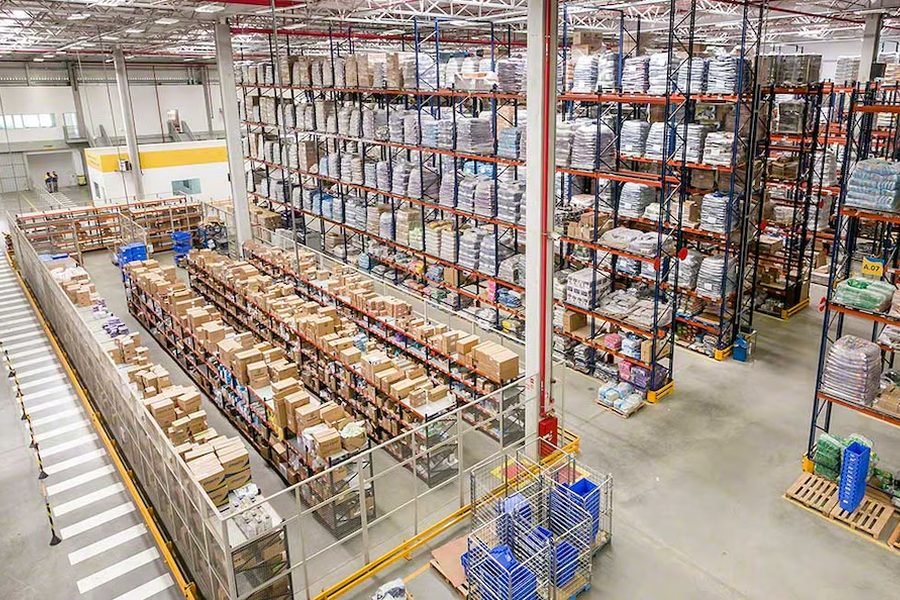
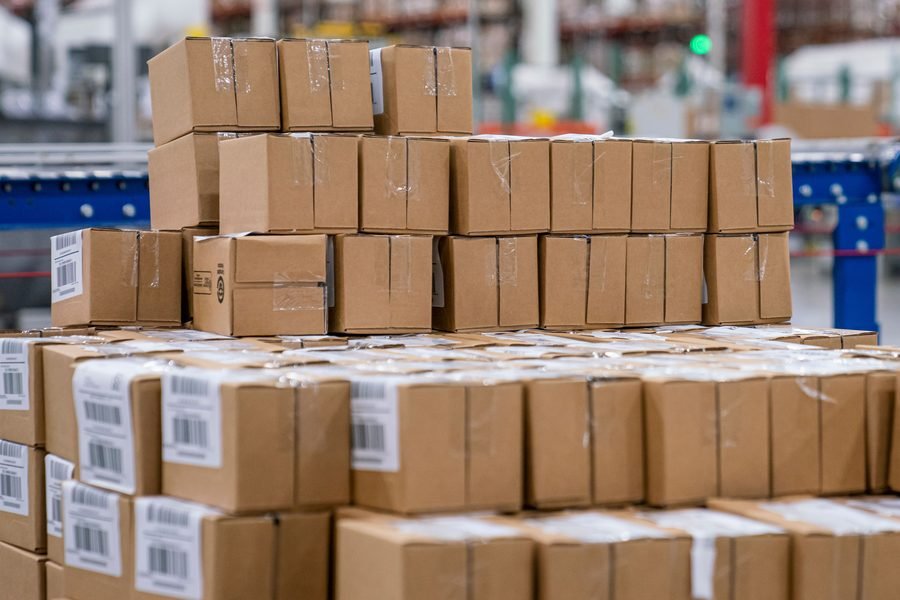
SEO for wholesalers that publishes the terms everyone else hides, and passes the legitimacy check a retail buyer runs before they ever get in touch.
Wholesale SEO, answered.
An audit shows how much of your catalog is indexed and what the wholesale and private label demand around your lines is worth.
Talk to a strategistShould we publish our minimum order quantity?
Will publishing wholesale terms upset our existing retail accounts?
Why does our site rank for nothing?
How do buyers tell a real wholesaler from a middleman?
Do we need separate content for dropship and for wholesale?
What about private label enquiries?
Should our catalog be public if pricing is account gated?
How long does wholesale SEO take?
Are we competing with Alibaba and Faire?
Can you work with our existing B2B platform?
Tell us what you sell. We will tell you what is possible.
Two minutes now, a straight answer back within one business day. No obligation and no sales sequence.
(708) 289-1530
See what retail buyers are searching for your lines.
We map wholesale, bulk and private label demand against what your site currently publishes.