


SEO for apparel brands whose collection pages are a grid and nothing else.
Beautiful photography, fast site, clean checkout, and collection pages carrying a heading and forty thumbnails. There is nothing there for a search engine to read, so a retailer who wrote two paragraphs takes the term instead.

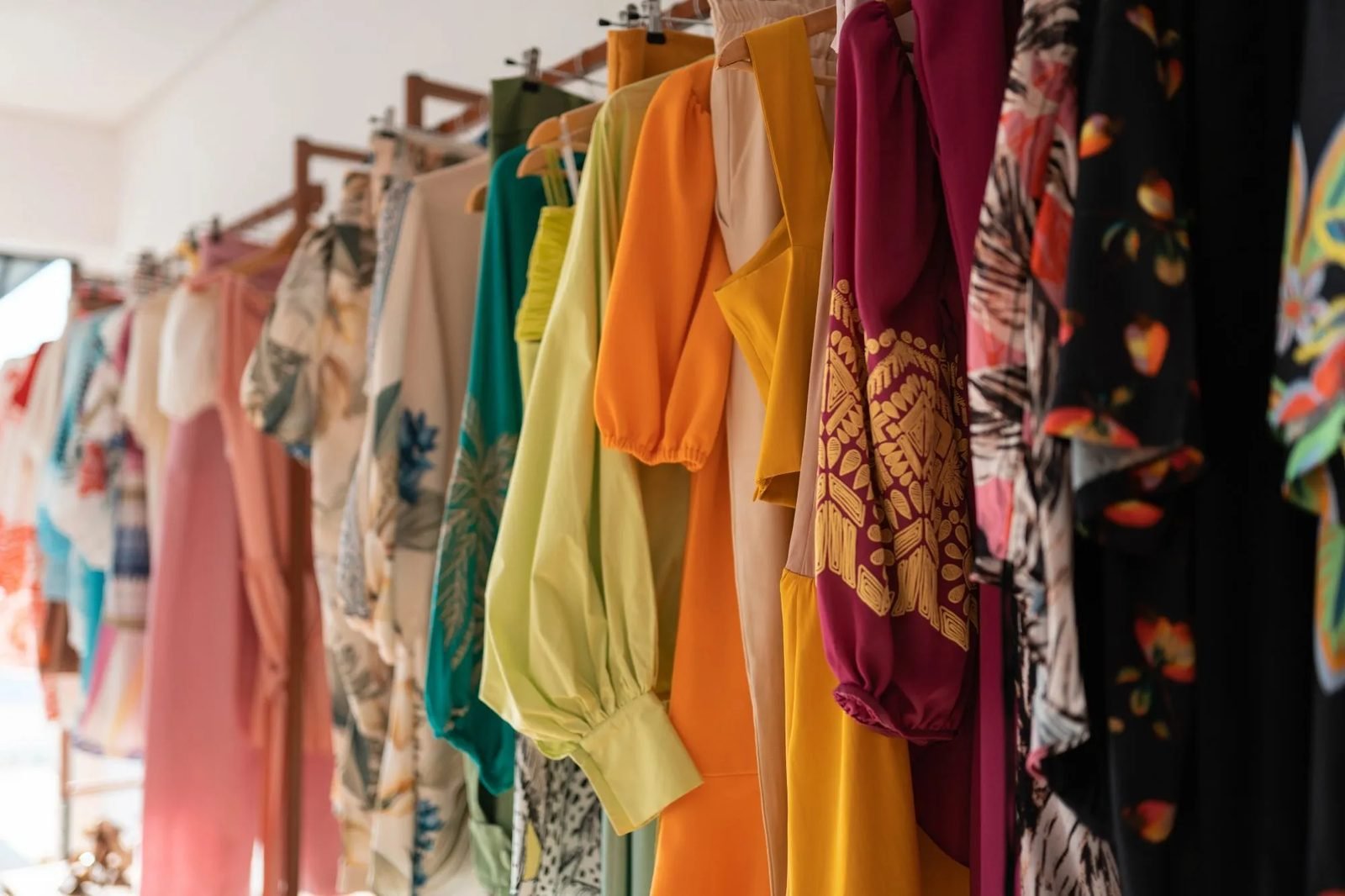
The page that should rank is usually the emptiest one.
Collection pages are the most valuable real estate on an apparel site and the least written. They target the terms with real volume, they sit above every product, and in most stores they contain a heading and a grid. Adding genuine content to them is the fastest win available in this category, and it sits inside standard e-commerce SEO.
- Category text that explains the fit, the fabric and who it suits
- Written above or below the grid, not hidden in a collapsed accordion
- Internal links to related collections and to the fit guide
- Filter URLs controlled so they do not generate thousands of near duplicates
- Seasonal collections kept on permanent URLs and updated, never deleted
- One page per genuine category, not one per colour
What goes wrong on almost every apparel site.
These are not exotic problems. They are the same four, in the same order, on store after store.
Empty collection pages
A heading and a product grid. No text, no context, nothing that tells a search engine what the page is about or why it should win the term.
Colour variant sprawl
A separate indexable page per colour, so five near identical pages compete with each other and split whatever authority the product earned.
Deleted seasons
Last spring collection was removed, taking its links and history with it. Every year the brand starts again from nothing.
No fit content
The single most searched question in apparel, and the answer lives in a size chart image nobody can read and no engine can index.
Four shapes of demand, and only one of them is your brand name.
Apparel search is unusually descriptive. People search the thing they are picturing, which means specificity beats scale if you write for it.
Occasion and use
High intent, highly specific, rarely covered properly.
- wedding guest dress with sleeves
- business casual for warm weather
- what to wear to an outdoor autumn wedding
- travel outfit long flight
Fit and body
The largest untapped cluster in the category.
- best jeans for petite frame
- how should a blazer fit
- shirts that fit broad shoulders
- true to size or size up
Fabric and construction
Where a quality brand separates itself from fast fashion.
- merino vs cashmere
- what is french terry
- gsm cotton t shirt weight
- is viscose breathable
Care and longevity
Post purchase, loyalty building, and a strong link earner.
- how to wash [fabric]
- stop [garment] shrinking
- how to store knitwear
- remove pilling from wool

The content that ranks and protects margin at the same time.
Very little content does two jobs. Fit content does. It answers one of the highest volume question sets in apparel search, and it reduces the return rate that decides whether the category is profitable at all.
- A real fit guide per category, not one size chart image for the whole site
- Garment measurements as text, in both units, on every product page
- Model height and size worn stated on every product image set
- Fit notes in plain language: runs small, boxy through the chest, long in the body
- Fabric composition and stretch, because that is what people are really asking
- Comparison against the sizing of brands your customers already own
The archive problem nobody wants to deal with.
Apparel is the only ecommerce category that deliberately destroys its own search authority every year. A collection launches, ranks, earns links, sells through, and then gets deleted or redirected into a graveyard. The following season the whole process starts again from zero.
This happens because the merchandising team thinks in seasons and the search engine thinks in URLs. A page that has existed for four years, been updated four times and accumulated links across four seasons is a genuinely strong asset. A page created in August has no history at all, and it is competing against retailers whose equivalent page has been live for a decade.
The fix is unglamorous and it works: permanent category URLs that get restocked and rewritten each season rather than replaced. Past season products move to a sensible archive rather than a 404, which is as much an e-commerce build decision as an SEO one. Sold out items stay live with alternatives shown, because a sold out page still ranks and still sends people somewhere useful.
Reporting has to change with it. Comparing this October to this July tells you nothing in a category that swings this hard. Year over year for the same weeks is the only comparison that means anything, and it is the one most apparel dashboards are not set up to show.
Most apparel SEO stops at product titles.
The usual engagement optimises product pages and leaves the structural problems that actually cap the site. Those are the ones worth paying for.
Which brands make wool coats that fit broad shoulders without tailoring?
Style and fit questions are moving to assistants fast.
What should I wear to this, will this fit me, is this fabric warm enough. These are ideal assistant questions and the answers come from brands that wrote the detail down as text rather than showing it in a photograph.
- Fit, fabric and measurement detail published as text on every product
- Occasion and use case content that answers the question directly
- Consistent product facts across your site, wholesale accounts and marketplaces
- Product schema carrying size, colour, material and availability
Where an apparel program usually extends.
Most apparel brands overlap with at least one of these.



SEO for apparel brands that fills the empty collection page, keeps the seasonal archive alive, and turns fit content into rankings and fewer returns.
Apparel SEO, answered.
An audit looks at collection structure, variant handling and how much authority your seasonal churn is throwing away.
Talk to a strategistWhy do our collection pages not rank?
How much does fit and sizing content matter?
Should we build a page per colour?
What happens to seasonal collections after the season?
Do we need a blog?
How do we compete with the big retailers and marketplaces?
Does product page copy really matter if the photos are good?
How long does apparel SEO take?
Should we worry about seasonality in reporting?
Can you work with Shopify?
Tell us what you sell. We will tell you what is possible.
Two minutes now, a straight answer back within one business day. No obligation and no sales sequence.
(708) 289-1530
Find out what your empty collection pages are worth.
We size the demand your categories could hold and show what is currently going to a retailer instead.