


SEO for pet brands that answers the worried owner first.
Pet buying is rarely browsing. It starts with a problem: the puppy will not eat, the cat is scratching, the old dog needs something different. Whoever answers that question first is usually the brand that ends up in the bowl.

Four layers, and product terms are the smallest of them.
Almost none of these mention a brand. All of them are placed by somebody about to spend money on their animal.
Concern and symptom
The largest layer in the category and the most urgent.
- dog not eating dry food
- why is my cat scratching so much
- puppy diarrhoea after food change
- senior dog losing weight
Life stage and transition
Predictable, recurring, and tied directly to what people buy.
- when to switch puppy to adult food
- how to transition cat food
- feeding schedule for a kitten
- best food for a senior dog
Ingredient and label
Owners read pet labels as carefully as their own.
- is [ingredient] safe for dogs
- grain free vs grain inclusive
- what is meat meal in pet food
- how much protein does a cat need
Breed and size
Highly specific, high volume, usually answered by content farms.
- best food for a french bulldog
- how much to feed a labrador
- large breed puppy calcium
- sensitive stomach small dog
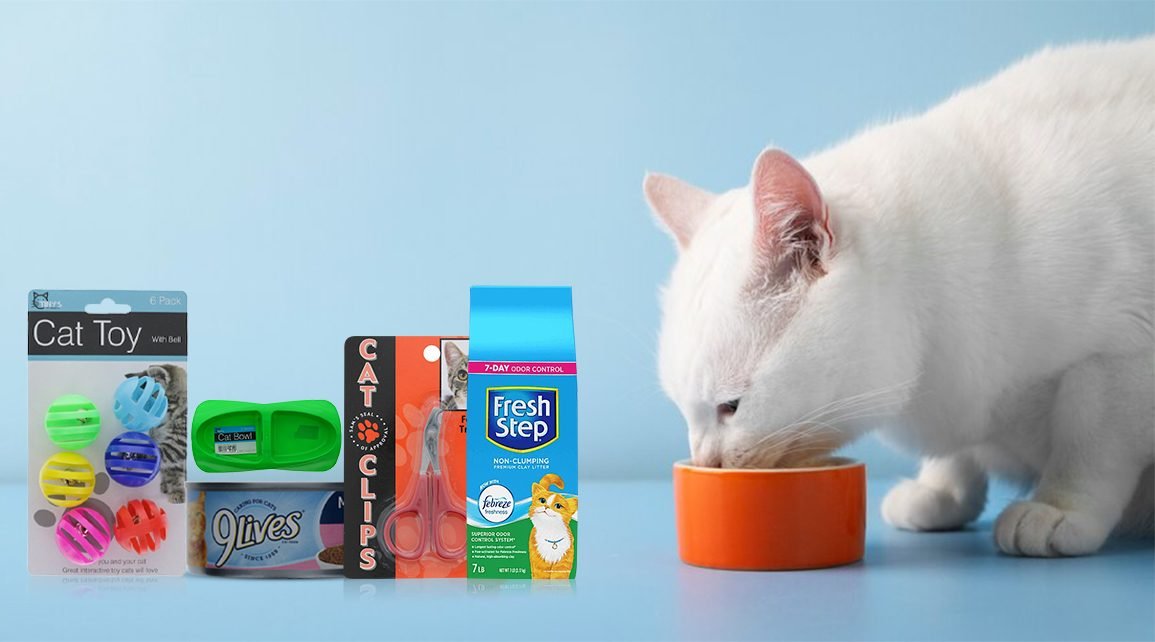
Answer the question, then sell the product.
A care library is the pet equivalent of a concern library in beauty. It covers what owners actually search: symptoms, transitions, feeding and life stage. It is written to be useful on its own, and it introduces products where they genuinely fit.
- One page per concern owners search, split by species
- Life stage guidance covering the transitions people plan around
- Feeding calculators and portion guidance, which get linked to constantly
- Ingredient explainers written for owners reading the label
- Named veterinary review on anything touching health
- Products introduced in context, not dropped in as a banner
Pet owners research like patients, not like shoppers.
There is a particular quality to pet search that is worth understanding before you plan any content. The owner is anxious, the patient cannot describe the symptom, and the internet is the first stop because a vet appointment is expensive and two days away. That produces a huge volume of careful, specific, worried searching.
It also produces unusual loyalty. An owner who found a clear, calm, genuinely helpful answer at eleven at night remembers where it came from. In a category where the products themselves are hard to differentiate on a shelf, being the brand that helped is a real advantage, and it is one that compounds because these owners come back for the next stage of the animal life.
The commercial logic follows from that. Food and treats are the largest slice of a category worth 158 billion dollars a year in the US, and it is bought repeatedly by people who are actively researching. A brand that owns the question layer around its products does not have to win on shelf position every single time.
The work is mostly discipline. Split cat from dog, write for the concern rather than the product, get health content reviewed by a vet, and keep claim language out of anything that has not been approved for the label. The commercial side runs on top of standard e-commerce SEO.
Most pet brand sites are a shop with a blog attached.
The blog is usually brand news and seasonal posts. It targets nothing anybody searches, so it produces nothing.
How a pet brand program is sequenced.
Concern content first, because it is the layer that brings people in and the layer nobody else is writing properly.
Species and concern map
Every concern your products address, split by species and life stage, mapped against search demand and against what currently exists on your site.
Care library
Concern and life stage pages published in priority order, vet reviewed where they touch health, each linking to the products that genuinely fit.
Product and label depth
Product pages rebuilt to carry full ingredient detail as text, feeding guidance, and the reasons behind the formulation.
Retail and repeat
Where to buy built properly, plus the transition and feeding content that keeps a subscription alive after the first order.
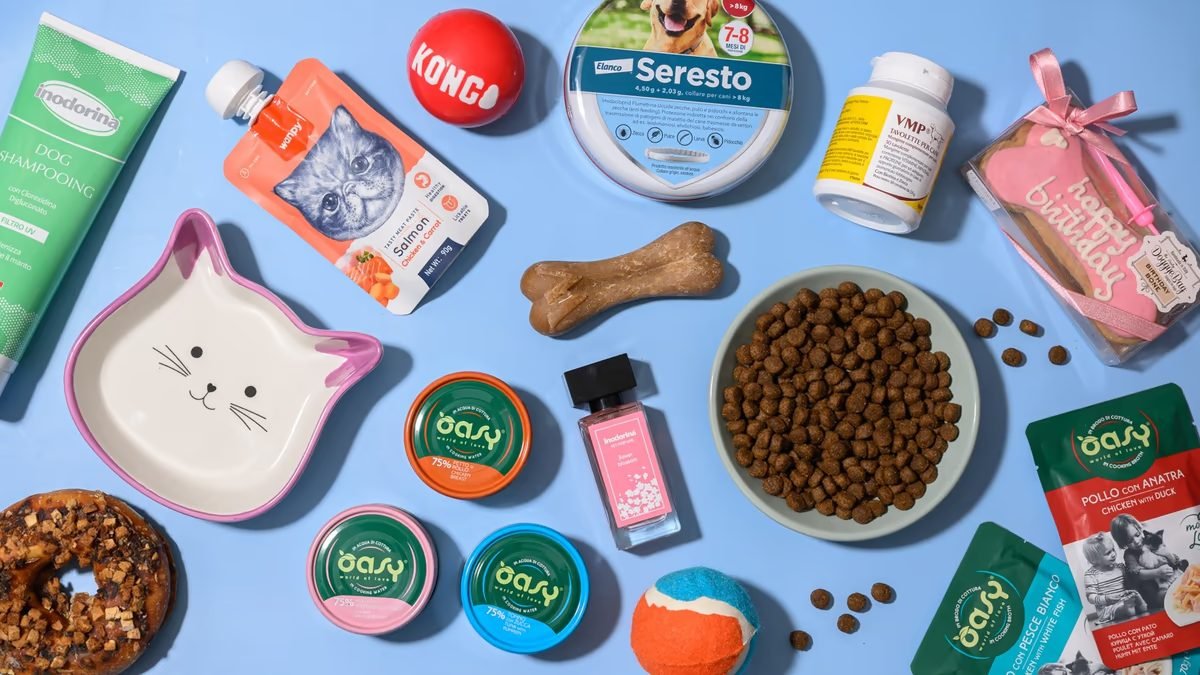
Owners find you online and then buy wherever is easiest.
That is fine, as long as the easiest place carries you. A where to buy page turns online discovery into a retail sale you can actually trace, and it gives your stockists a reason to link back to you.
- Filterable by product and region, with real retailer names in text
- Online and physical stockists listed together
- Kept current, because a wrong stockist list costs trust immediately
- Linked from every product page rather than buried in a footer
- Built to rank for brand plus retailer and brand plus near me searches
Is this ingredient safe for a dog with a sensitive stomach?
Worried owners ask assistants before they ask anyone else.
Is this safe for my dog, how much should I feed, when do I switch foods. These are near perfect assistant questions, and the answers are assembled from published, reviewed, clearly written pages.
- Direct answers at the top of the page where a model can lift them
- Named veterinary reviewer and review date on health adjacent content
- Full ingredient and feeding detail as text rather than as label images
- Consistent product facts across your site, retailers and marketplaces
Where a pet program usually extends.
Most pet brands overlap with at least one of these.



SEO for pet brands that answers the anxious owner at the moment they search, and earns the purchase that follows.
Pet brand SEO, answered.
An audit maps the concerns your products address against the search demand around them and what your site currently covers.
Talk to a strategistWhat kind of content works best for pet brands?
Should we write for breeds?
Can we make health claims about pet food or supplements?
How do we compete with Chewy and Amazon?
Does subscription or autoship change the SEO approach?
We sell through independent pet stores. Is SEO still worth it?
How much does the ingredient layer matter?
How long does pet SEO take?
Should we have a vet review our content?
Do cat and dog content need separate sections?
Tell us what you sell. We will tell you what is possible.
Two minutes now, a straight answer back within one business day. No obligation and no sales sequence.
(708) 289-1530
See what owners are searching before they buy.
We map concern and life stage demand across your species and products, and show you where it currently lands.