
Arizona SEO company for suppliers whose buyers search by part number.
Arizona has become a semiconductor and aerospace supply state, and that changes what search looks like. The people who buy from you are engineers and procurement staff typing an exact identifier, not a category.

The part is what gets searched, so the part needs a page.
In a qualified supply chain nobody browses. An engineer has a number from a drawing, an approved vendor list or a superseded component, and they type it. If that number does not exist as a page on your site, the search resolves to a distributor or a marketplace instead.
- An indexable page per part number you stock or hold approval for
- Cross reference tables mapping obsolete and competitor numbers to yours
- Availability, lead time and minimum quantity stated as text
- Specification values on the page rather than only inside a datasheet
- Qualification and approval status stated per part where it applies
- Superseded numbers kept live and pointed at the replacement
Four issues specific to qualified supply.
These come up in nearly every supplier audit in the state, and the first is usually the whole problem.
Part search with no pages
The catalog search works, and every result is a query string rather than a page. The highest intent search in the category has nothing to land on.
Specs locked in PDFs
Every value a buyer would search sits inside a downloadable datasheet, where it contributes almost nothing to what you rank for.
Approvals as logos
AS9100, ITAR and Nadcap shown as images in a footer. These are pass or fail filters that get searched directly and they need real pages.
Obsolescence ignored
Discontinued numbers deleted rather than redirected to the replacement, throwing away years of exactly the search you want.
Exact identifiers, not categories.
Every one of these is placed by somebody with a live requirement and an approved vendor process behind them.
Part and identifier
Highest intent, thinnest competition.
- [manufacturer part number]
- [part number] lead time
- [part number] in stock
- [part number] datasheet
Cross reference and obsolescence
Constant in this supply chain.
- [obsolete number] replacement
- [competitor part] equivalent
- alternative to discontinued [component]
- form fit function replacement for [part]
Qualification
Pass or fail, searched directly.
- as9100 certified supplier arizona
- itar registered manufacturer
- nadcap approved [process]
- class 100 cleanroom assembly
Specification
Where a custom supplier competes.
- [material] machining tolerance [value]
- cleanroom assembly class [number]
- outgassing tested [component]
- high purity [process] supplier
The buyer population changed faster than the supplier websites did.
Arizona spent decades as an aerospace and defence state with a solid electronics base. What has happened over the last few years is a step change rather than growth. A very large advanced semiconductor cluster is being built, along with the packaging, materials, equipment service and precision supply that necessarily surrounds it.
The practical consequence for suppliers already here is a large influx of procurement staff who do not know you. Long standing relationships are genuinely valuable and they do not help with a buyer who arrived eighteen months ago from another state and sources by searching an identifier. That buyer will find whoever published the page.
It also raises the stakes on qualification content. Aerospace and semiconductor procurement both run on hard filters, and both filter before they evaluate. A supplier whose approvals are a strip of logos in a footer is invisible to a search for the approval, which is where the shortlist starts.
None of this is complicated work. It is publishing the identifiers you already deal in, at the level of detail your own engineers use, on pages a search engine can read. The reason it is worth doing now is that most of your competitors have not, and the buyer population is turning over faster than it has in decades.
Category SEO does not reach a qualified buyer.
The usual approach builds pages around product categories. In a qualified supply chain the category is not what gets typed.
The pages almost nobody publishes and every engineer searches.
Obsolescence is relentless in this supply chain. Components go end of life, revisions supersede, approved vendor lists change. Every one of those events produces an engineer searching an old number looking for what replaces it.
- Obsolete and superseded numbers mapped to what you can supply
- Competitor part numbers cross referenced where you have an equivalent
- Differences stated honestly, including where fit is not identical
- Form, fit and function language, because that is what engineers check
- Old numbers kept live rather than deleted, because they stay searched
What replaces this obsolete component and who supplies it?
Sourcing an obsolete part is an ideal assistant question.
What replaces this component, who supplies an equivalent, who holds this approval. Assistants answer these from published cross reference and qualification content, and a catalog that exists only as a search tool contributes nothing.
- Part numbers and equivalents published as tables a model can read
- Approval scope stated as text rather than shown as a logo
- Specification values on the page, not only inside a PDF
- Consistent company facts across your site, feeds and listings
Where an Arizona program goes.
Most suppliers here need at least one of these.
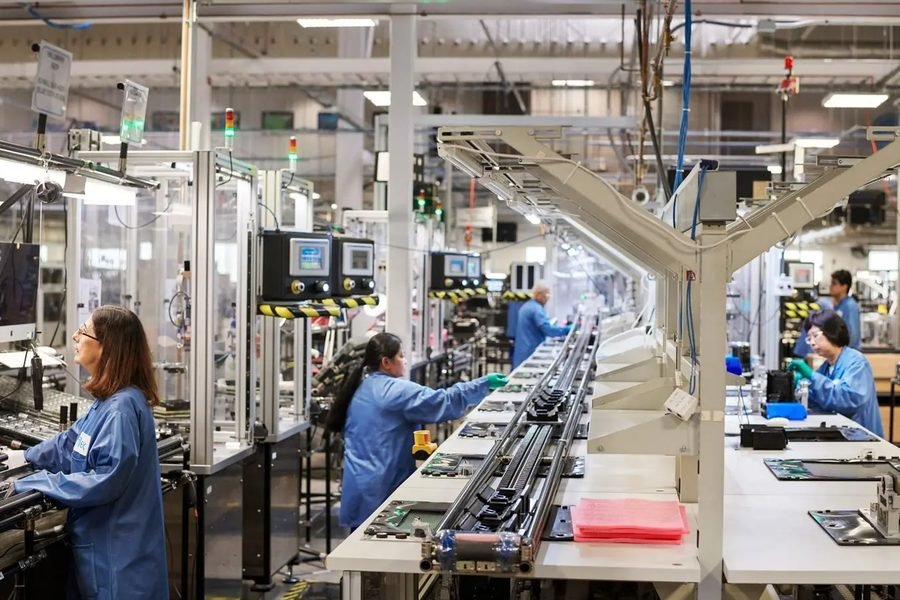
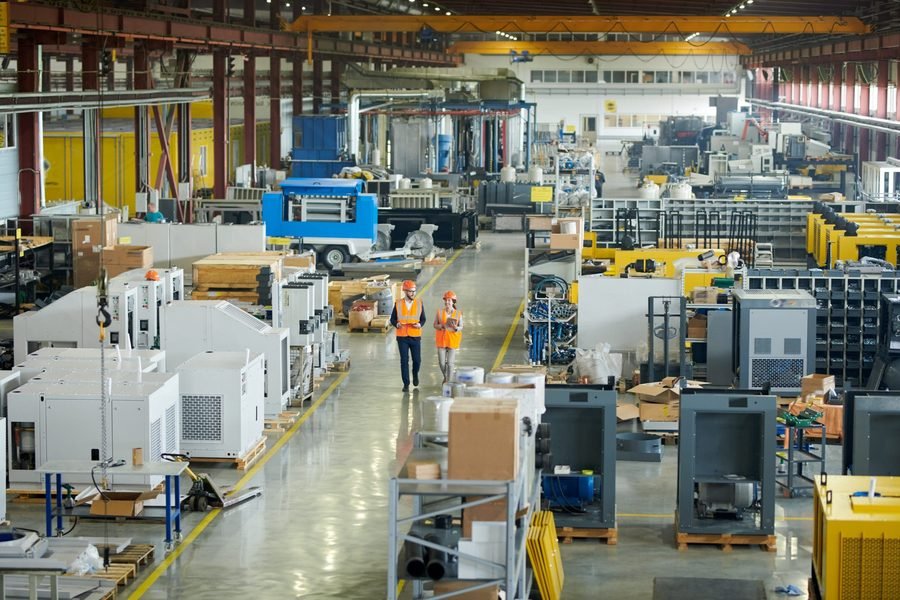


Arizona SEO built around the identifiers qualified buyers actually type, so the engineer holding a part number can find the supplier who has it.
Qualified supply SEO, answered.
An audit checks how much of your part and approval data is genuinely indexed and what the demand around it is worth.
Talk to a strategistWhy do buyers here search by part number?
Should we publish every part number we can supply?
What about cross references to obsolete parts?
How much does the Arizona semiconductor build-out affect us?
Do certifications matter more here than elsewhere?
Our parts are custom, so there are no part numbers to publish.
Is local SEO worth anything to us?
How long does this take to show results?
How is this different from your Ohio approach?
Can you work with our existing catalog system?
Tell us what you sell. We will tell you what is possible.
Two minutes now, a straight answer back within one business day. No obligation and no sales sequence.
(708) 289-1530
See whether engineers can find your parts.
We crawl your catalog the way a search engine does and show you what is trapped behind the search box.