


SEO for suppliers who get compared long before anyone calls.
By the time a buyer contacts you they have already read your site, checked your certifications, guessed at your capacity and decided roughly where you sit against two other options. That comparison happens whether or not you published anything to shape it.

Supplier search is a risk assessment, not a shopping trip.
There is a specific reason supplier websites underperform, and it is not that they are ugly. It is that they answer the wrong question. Almost every supplier site is written to explain what the company does. The buyer already assumes you do it, otherwise they would not be on the page. What they are trying to work out is whether you can be relied on.
That question breaks into parts, and each part is searchable. Are you the right size for our volume. What are your realistic lead times. What happens when demand spikes. Do you hold the certifications our customer requires. Have you done this in our industry before. What is your quality process when something goes wrong. Are you financially stable enough to still be here in three years.
Suppliers almost never write any of this down, partly out of habit and partly because it feels like exposure. The result is that the buyer fills the gaps with assumption, and assumption is not usually generous. A supplier who publishes realistic capacity ranges, honest lead times, certification scope and a clear account of how they handle problems is not giving away an advantage. They are removing the reasons to be excluded.
The commercial payoff is that this content also catches buyers who are actively looking. Sourcing does not only happen when a contract expires. It happens when a current supplier misses a delivery, when a customer demands a certification, when someone decides a single source is too risky. Those buyers search in plain language, and almost nobody has written the page they are looking for. This is national SEO work rather than local.
What sourcing actually types when it is looking for somebody.
None of these are product searches. All of them are placed by a person deciding whether to put you on a list.
Sourcing and shortlisting
The buyer building an initial list of candidates.
- [product] supplier united states
- suppliers for [industry] [component]
- who supplies [material] in bulk
- domestic [component] supplier
Second source and switching
The most under served pattern in supplier search.
- alternative supplier for [component]
- second source [part] supplier
- backup supplier for [material]
- switching from overseas supplier
Capacity and terms
The size question every buyer has.
- low volume [component] supplier
- supplier for short run production
- [product] supplier lead time
- can a supplier scale to [volume]
Compliance and risk
The filter applied before a conversation happens.
- [certification] certified supplier
- itar registered supplier
- supplier quality management process
- conflict minerals compliant supplier
Four questions every supplier site leaves unanswered.
Publishing these is uncomfortable and it is exactly why doing it works.
How big are you really
Buyers need to know whether they will be your largest customer or your smallest. Capacity ranges, facility size and typical order volumes answer it.
What are your actual lead times
Not best case. Typical, and what changes them. A supplier who says four to six weeks depending on material availability reads as honest, not weak.
What happens when it goes wrong
Every buyer has been burned. A clear account of your quality process, escalation path and how you handle a missed delivery is reassuring in a way that a quality policy page is not.
Have you done this before
Industry experience, unnamed if it has to be, with the specifics that make it credible. Vague claims of decades of experience convince nobody.

Write down what you would say on a first call.
Every supplier has this conversation weekly. Capacity, lead time, certifications, process, what happens when something slips. Publishing it does not replace the call. It gets you the call in the first place, and it makes the call shorter and better.
- Capacity stated in ranges, by process or line
- Typical lead times and the things that change them
- Certification pages with scope, not a logo strip
- Quality process, escalation and how a problem gets handled
- Industry experience described specifically, anonymised if needed
- Facility and equipment detail, because size is what buyers are guessing at
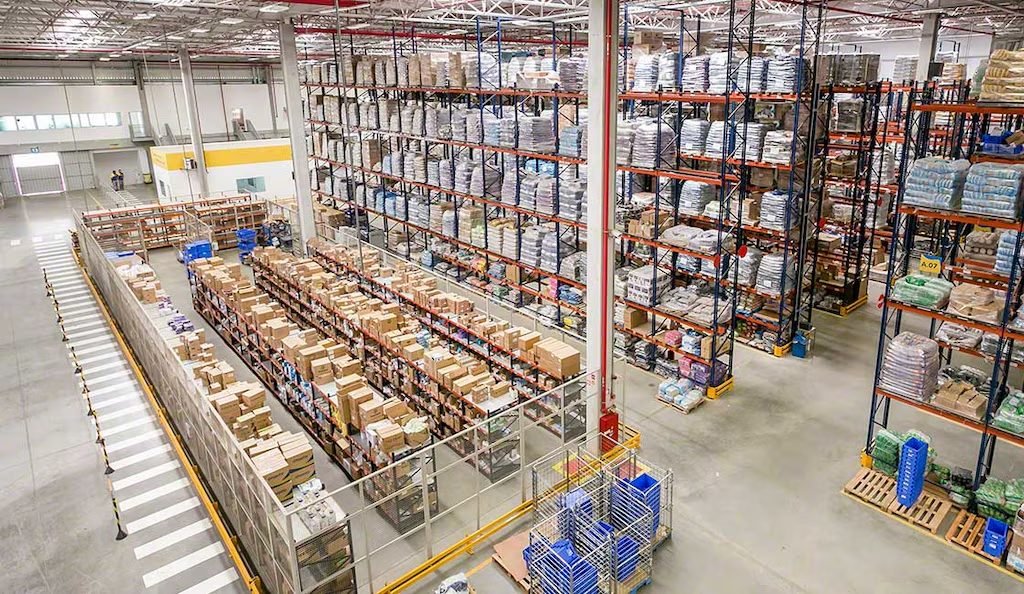
The easiest buyer to win is one who is not trying to replace anybody.
Displacing an incumbent supplier is hard. Being added as a second source is much easier, and after several years of disruption a great many buyers have been told to find one. Almost no supplier has written a page aimed at that buyer.
- A page that speaks directly to adding a second source rather than switching
- What qualification and onboarding actually involve, step by step
- Sample, first article and approval timelines stated
- Minimums for a trial order, because that is how these relationships start
- Honest positioning against the incumbent, including where they are stronger
Supplier SEO and manufacturer SEO are not the same brief.
They overlap, and the emphasis is different. One sells what you can make. The other sells whether you can be depended on.
Who supplies this component domestically and holds the right certification?
Sourcing shortlists are increasingly drafted by an assistant.
Who supplies this in the US, who holds this certification, who can handle this volume. Assistants answer these from published supplier content, and a site that states nothing specific contributes nothing to the answer.
- Capacity, lead time and certification scope published as plain text
- Industry experience described specifically enough to be quoted
- Consistent company facts across your site, listings and profiles
- Structured data so an assistant can verify what it repeats
Where a supplier program usually extends.
Most suppliers overlap with at least one of these.

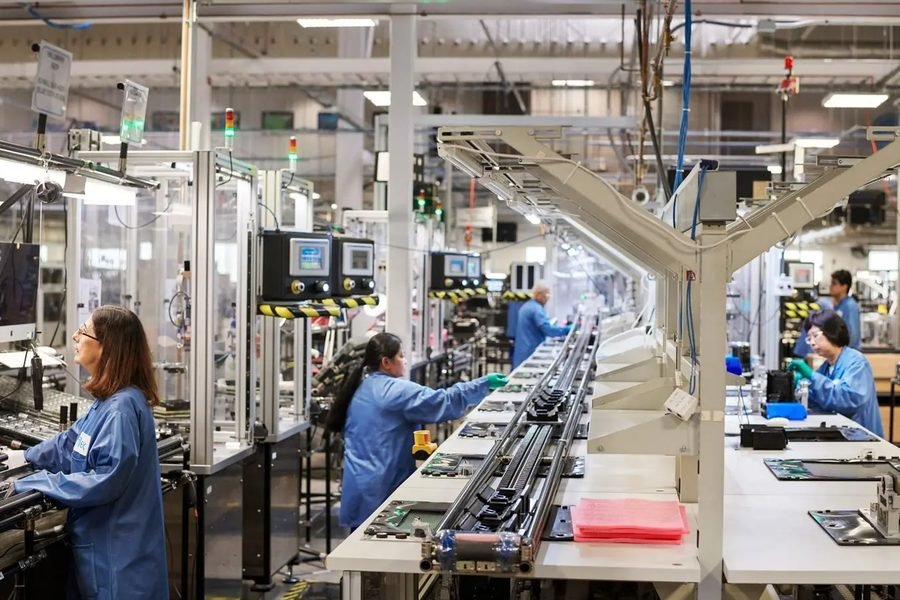


SEO for suppliers that answers the reliability questions buyers are already asking about you, and catches the ones searching for a second source.
Supplier SEO, answered.
An audit shows what buyers vetting you can currently find, and what the sourcing demand around your category looks like.
Talk to a strategistWhat makes supplier search different from product search?
What is second source demand?
Should we publish capacity and lead times?
Does domestic sourcing actually generate search demand?
We are not the cheapest. Does content help?
How do buyers assess reliability from a website?
Do we need case studies if we cannot name customers?
How long does supplier SEO take?
Should we target buyers or engineers?
Is this different from what you do for manufacturers?
Tell us what you sell. We will tell you what is possible.
Two minutes now, a straight answer back within one business day. No obligation and no sales sequence.
(708) 289-1530
See what sourcing teams are searching in your category.
We map vetting and second source demand against what your site currently answers.