

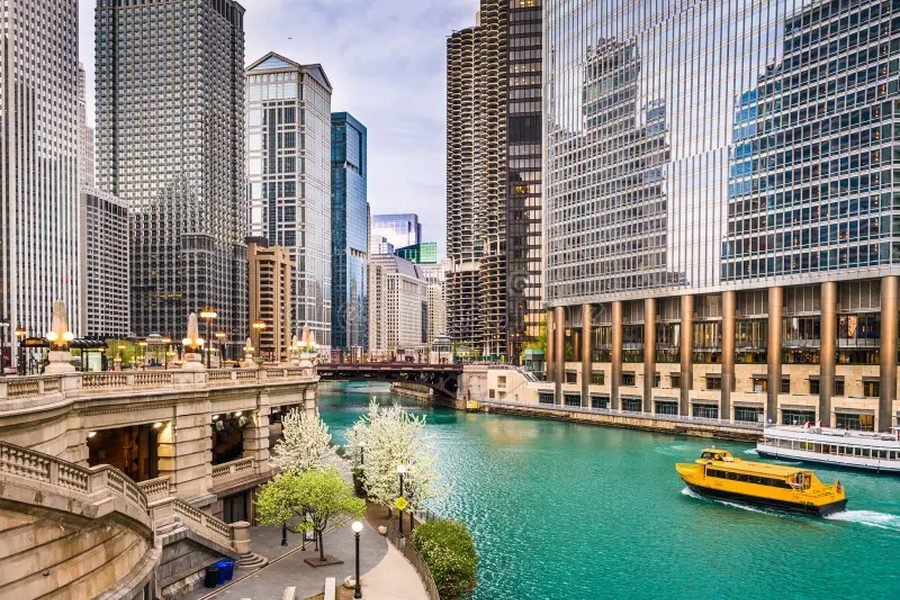
Missouri SEO company for metros that do not stop at the state line.
Missouri's two big markets both straddle a border. Kansas City spans Missouri and Kansas, St Louis spans Missouri and Illinois, and search does not care about either line. Companies targeting the state are writing off half a market.

The state is the wrong unit for both of your markets.
Once you accept that the metro is the market, most of the targeting decisions change with it.
Four changes that follow from defining the market correctly.
None of these are complicated. They follow automatically once you stop treating the state line as a market boundary.
Lead with the metro, not the state
Kansas City and St Louis mean something to customers on both sides. Missouri means something to a fraction of one and less of the other.
Build pages on both sides
Overland Park, Olathe, Lenexa and Leawood are substantial markets. So is the Metro East around St Louis. Each needs real content, not a swapped town name.
Set service areas honestly
Your Business Profile service area should match where you actually work, which for most metro businesses crosses the line.
Publish the cross border differences
Licensing, tax, permitting and regulation that differ by state. Customers search these constantly and almost nobody answers them.

The other side of the line is less contested.
This is the part most businesses miss. Everybody in Missouri targets Missouri, so the Missouri side of both metros is crowded. The Kansas and Illinois sides have the same demand and noticeably fewer people competing for it, because businesses on your side wrote them off.
- Johnson County, Kansas, which is affluent and substantial
- Wyandotte County and the Kansas side of the core
- The Metro East communities across from St Louis
- Cross border service content, which nobody publishes
- Regulatory and licensing differences, searched and unanswered
- Reviews from customers on both sides, which signal genuine coverage
The state is an administrative fact, not a market.
Businesses define themselves by state because everything official does. You register in a state, you file taxes in a state, you are licensed in a state. It is a completely reasonable frame for the paperwork and a poor one for the market, and in Missouri that gap is unusually wide.
A customer in Overland Park does not think of themselves as being in a different market from someone in Kansas City, Missouri. They commute across the line, shop across it and hire across it without thinking about it. The only party treating that border as meaningful is you, and it costs you roughly 43 percent of the Kansas City metro.
The St Louis version is less dramatic and still material. About a quarter of that metro population lives in Illinois. Written off entirely, that is a quarter of your addressable market handed to whoever bothered to publish a page about the Metro East.
What makes this worth fixing quickly is that the other side is usually less contested. Every Missouri business is competing for the Missouri side, so the results are crowded. The Kansas and Illinois sides have the same demand and fewer people going after it, which makes them the cheaper half of your own market.
Nobody types a state line.
These are placed by people who live in one state and work in another without giving it a thought.
Metro level
How customers describe where they are.
- [service] kansas city
- [service] st louis
- [service] kc metro
- [service] near me
The other side
Same demand, less competition.
- [service] overland park ks
- [service] olathe kansas
- [service] lenexa
- [service] belleville il
Cross border questions
Searched constantly, answered rarely.
- do you need a kansas license for [service]
- sales tax on [service] missouri vs kansas
- permit requirements [service] johnson county
- can a missouri [professional] work in kansas
Statewide
Mostly the wrong target.
- [service] missouri
- best [service] in missouri
- missouri [service] company
Serving both sides is not the same as claiming both sides.
The compliance line here is the same one that applies anywhere. Your Business Profile uses your real address. Your service area reflects where you actually work. Your content targets whatever people search. Those three things are separate and they can legitimately differ.
- Your listing uses your real address, whichever state that is in
- Service areas set to match genuine coverage, including across the line
- A second listing only where you have a real staffed location
- Virtual offices across the border are a breach and get suspended
- Content can target any geography you honestly serve
Who provides this across the Kansas City metro?
Assistants answer by metro, not by state.
Somebody asking for a provider in Kansas City is not thinking about which state. An assistant assembling that answer draws on published coverage content, and a site that stops at the state line describes itself out of half the market.
- Coverage stated in metro terms rather than state terms
- Both sides of the line named explicitly in the content
- Cross border differences explained where they matter
- Consistent business facts across your site and listings
Where a Missouri program goes.
Most metro businesses here need at least one of these.

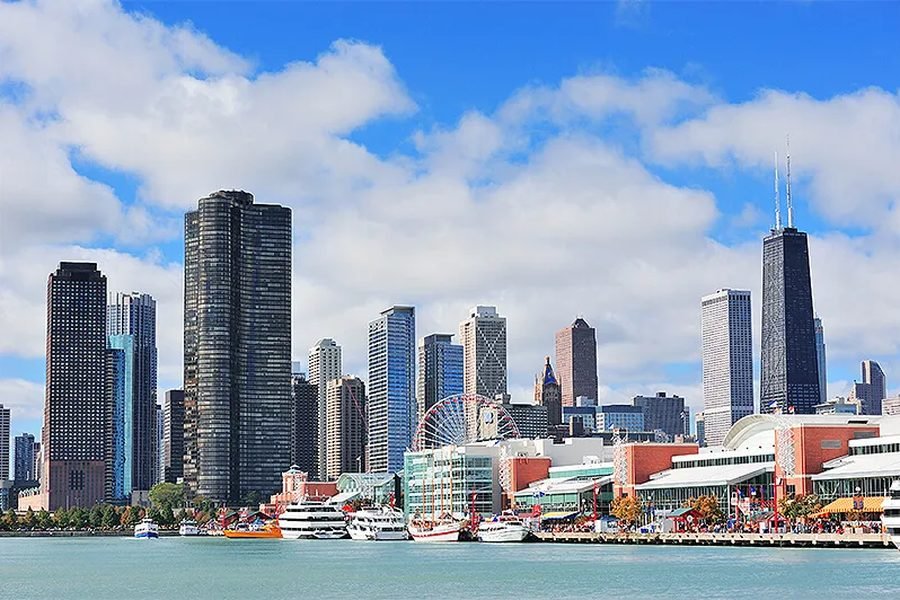
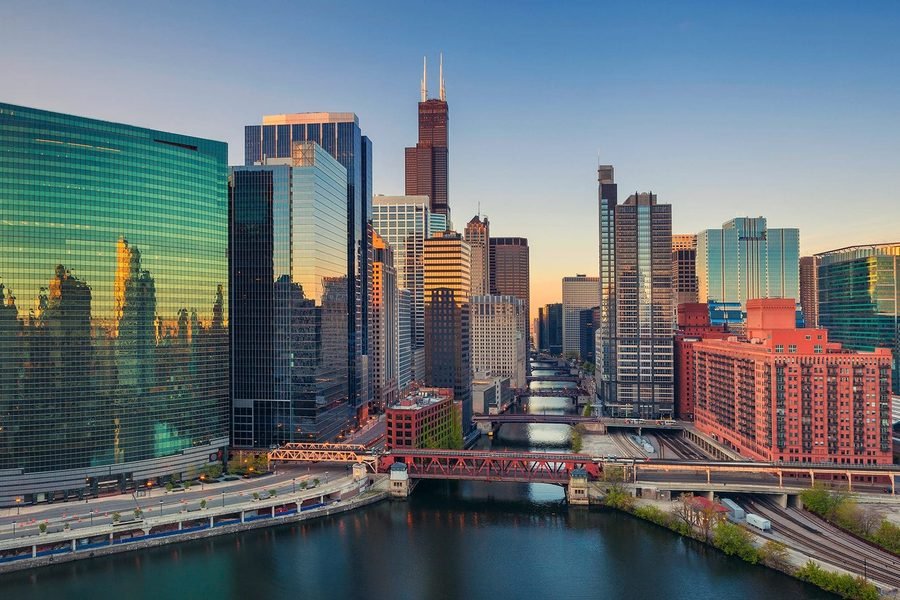
Missouri SEO built around the metro rather than the state, because half of Kansas City is not in Missouri and your customers have never once noticed.
Bi-state metro SEO, answered.
An audit shows how much of your own metro your current targeting is leaving out.
Talk to a strategistWhy is targeting Missouri the wrong approach?
How much of Kansas City is actually in Kansas?
And St Louis?
Do we need a Kansas location to rank in Kansas?
Should we create pages for suburbs on the other side?
Does the state line affect anything besides targeting?
What about the Illinois side of St Louis?
Is this just about adding more location pages?
How is this different from your Texas approach?
Should we describe ourselves as a Missouri company?
Tell us what you sell. We will tell you what is possible.
Two minutes now, a straight answer back within one business day. No obligation and no sales sequence.
(708) 289-1530
Find out how much of your metro you are missing.
We map your visibility across the whole metro, both sides of the line, and show you the gap.