


SEO for supplement brands that competes on ingredients, not claims.
Your buyer is researching an ingredient, a dose and a form long before they choose a brand. That research is where the category is won, and it is the part most supplement sites skip entirely in favour of a product grid.
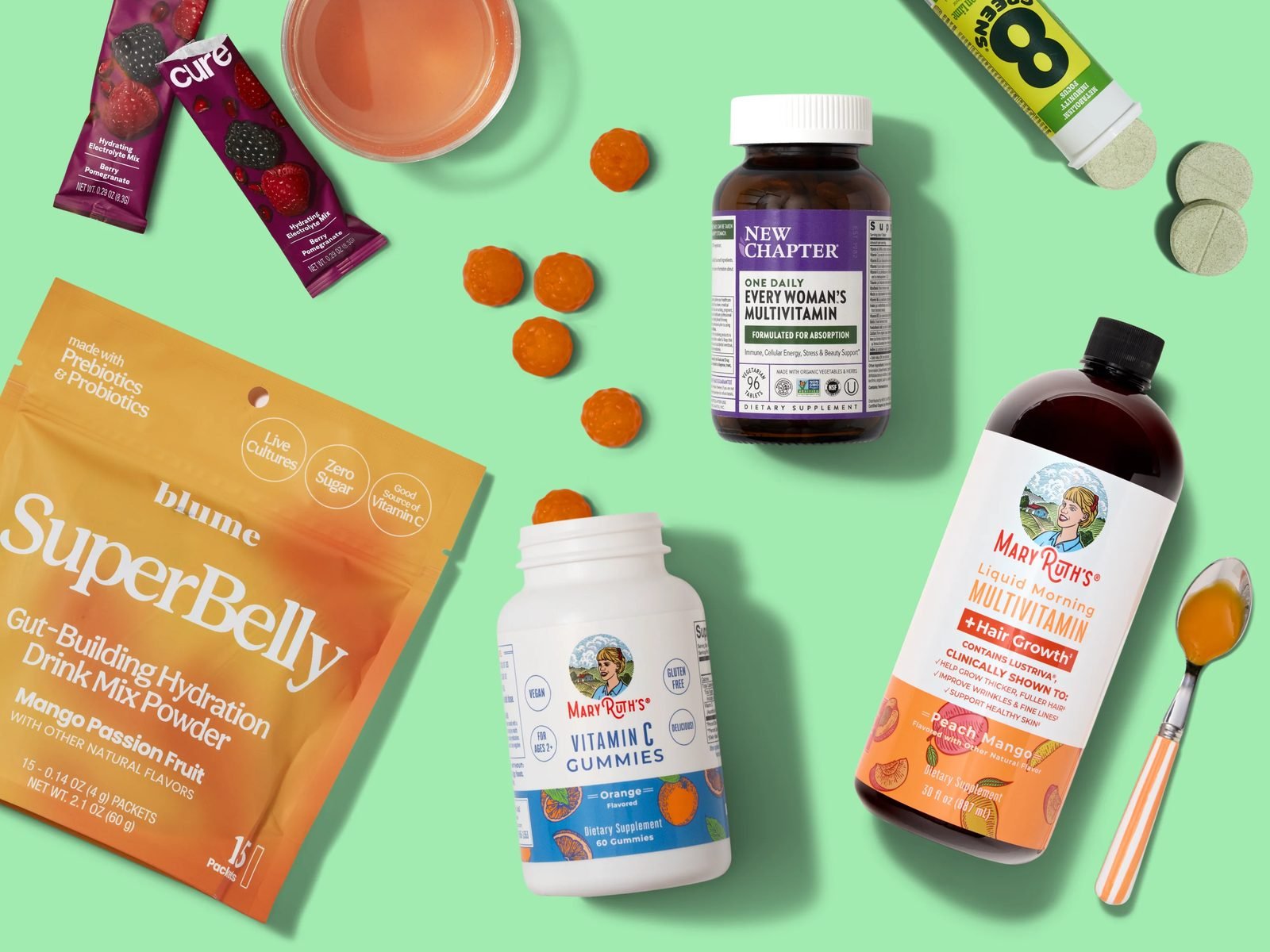
Nobody searches for your brand first.
Supplement buying starts with a question, not a brand. Somebody reads about an ingredient, hears it mentioned, or gets told to take something and wants to understand what it is. They search the ingredient. Then a form of it. Then a dosage. Then whether one form absorbs better than another. Only after all of that do they start comparing brands.
Almost every supplement site enters the conversation at the very last step. There is a shop page, a set of product pages, an about page and a blog with three posts. The entire research phase, which is where preference actually forms, is handed to health publishers, forums and marketplaces.
This is the single biggest structural opportunity in the category, and it is open because writing it well is genuinely hard. Ingredient content has to be accurate, sourced and compliant. It has to be useful without making a claim that cannot be substantiated. Most brands either write nothing or write something aggressive that creates a regulatory problem.
The middle path works. You can explain what an ingredient is, what forms exist, how they differ, what typical dosages look like in the research, how to read a label and what third party testing means, all without a structure or function claim. That content ranks, it earns links, and it gets quoted by AI assistants answering the exact questions your buyers are asking.
What supplement buyers search, in the order they search it.
Brand terms sit at the very end of this list and account for a small fraction of the volume. Everything above them is available and mostly uncontested by brands.
Ingredient basics
The top of the funnel and the largest volume in the category.
- what is [ingredient]
- [ingredient] benefits
- [ingredient] side effects
- how much [ingredient] per day
- when to take [ingredient]
Form and absorption
Where a knowledgeable buyer separates products.
- [ingredient] citrate vs glycinate
- best form of [ingredient]
- liposomal [ingredient] absorption
- capsule vs powder [ingredient]
Safety and interaction
High volume, high scrutiny, needs careful writing.
- can you take [ingredient] with [ingredient]
- is [ingredient] safe long term
- [ingredient] and [medication]
- who should not take [ingredient]
Brand and comparison
The last step, and the only one most sites are built for.
- best [ingredient] supplement
- [brand] vs [brand]
- third party tested [category]
- [brand] reviews
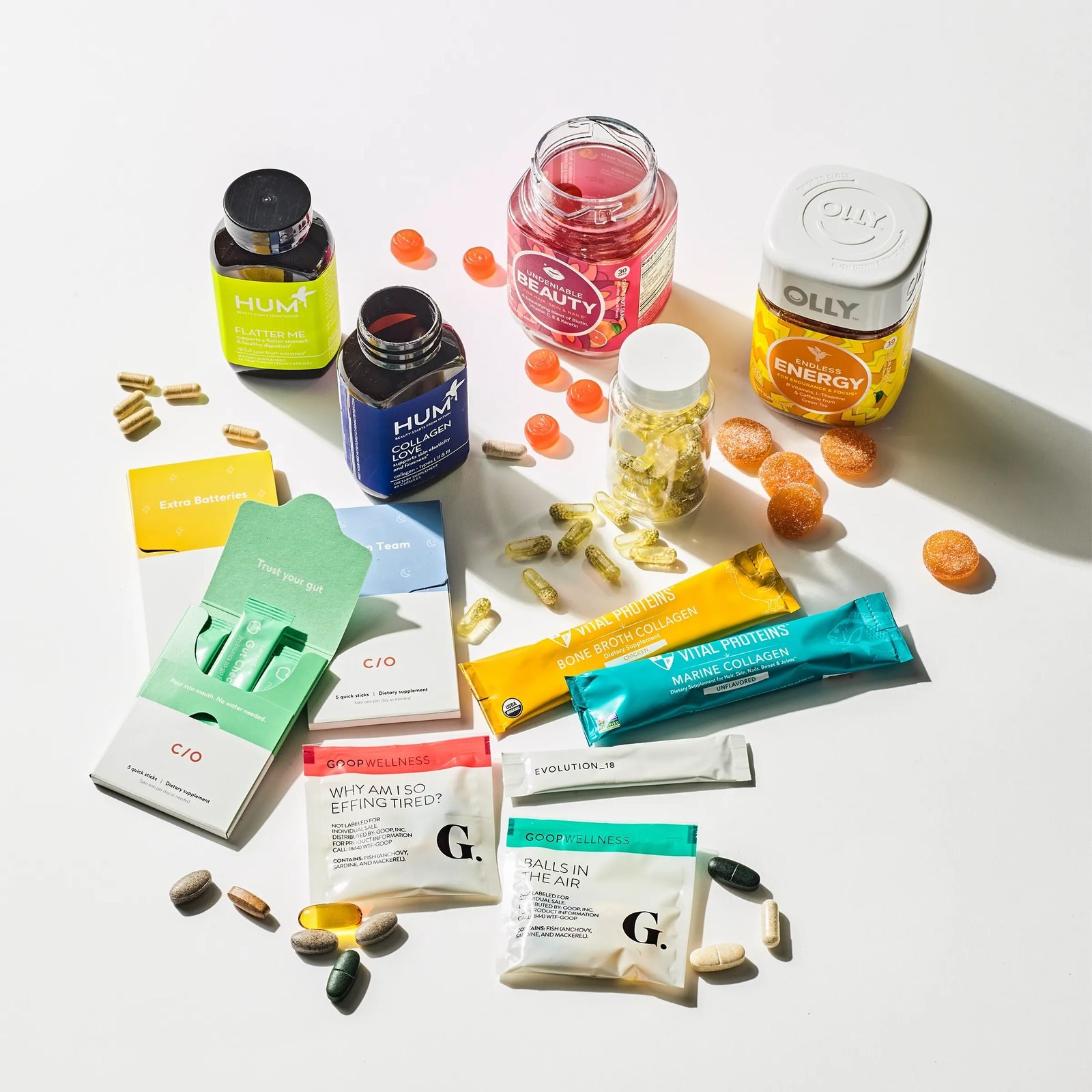
One page per ingredient, written to be quotable.
An ingredient library is to a supplement brand what a capability library is to a manufacturer. It is the asset that makes everything else rank, and it is the content AI assistants pull from when somebody asks a question about what you sell.
- One page per ingredient you use, not one blog post about all of them
- Forms compared plainly, with the differences that actually matter
- Typical dosage ranges as they appear in published research, cited
- Named author with real credentials, and a visible review date
- Clear statement of what is and is not established
- Internal links from each ingredient to the products containing it
Compliant content is a competitive advantage, not a limitation.
Brands treat regulatory caution as a reason not to publish. In practice it is the reason their competitors publish thin claim-led pages that never rank.
Your own brand terms are being sold by somebody else.
Search your brand name plus a product and you will often find Amazon, iHerb or a reseller above your own site. IBISWorld reports Amazon holds the largest share of US online vitamin and supplement sales. You cannot remove those listings, but you can make your page the better result.
- Product pages carrying detail no marketplace listing can hold
- Full formula breakdown with the reason each ingredient is included
- Third party testing results published and linked from the product
- Honest comparison content, including where a competitor is a fair choice
- Reviews and questions hosted on your own pages, not only on a marketplace
How a supplement SEO program is sequenced.
Ingredient first, product second. Doing it the other way round is why most supplement sites stall.
Formula and compliance audit
Every ingredient across every SKU, mapped against search volume, competition and what can be said about it safely. This sets the writing brief for everything after.
Ingredient library
Ingredient pages published in priority order, each with a named author, citations and a review date, and each linked to the products that contain it.
Product page rebuild
Product pages rebuilt to carry formula rationale, dosage guidance, testing documentation and honest comparison, so they can beat a marketplace listing.
Authority and answers
Comparison content, interaction and safety pages written carefully, and the structure that gets all of it cited in AI answers.
What form of this ingredient absorbs best and what dose is typical?
Ingredient questions are exactly what assistants get asked.
What is this, how much should I take, does it interact with that. These are among the most common health questions put to AI assistants, and the answers are built from published, sourced, clearly written pages.
- Direct answers placed at the top of the page where a model can lift them
- Citations to published research so an assistant can verify the claim
- Author credentials and review dates that establish who is speaking
- Consistent formula facts across your site, retailers and marketplace listings
Where a supplement program usually extends.
Most supplement brands overlap with at least one of these.



SEO for supplement brands that wins the ingredient research phase, where preference is actually formed, without writing a claim you cannot defend.
Supplement SEO, answered.
An audit maps every ingredient in your range against the search demand around it and what your site currently covers.
Talk to a strategistCan supplement content rank without making health claims?
How do we compete with Amazon and iHerb on our own brand?
Most of our sales are through retail. Is SEO still worth it?
What content actually drives supplement traffic?
Do we need a page for every SKU and every flavour?
How should we handle third party testing and certificates?
Is YMYL a problem for supplement sites?
How long does supplement SEO take?
What about subscription and repeat purchase?
Can you help if we are launching a new formula?
Tell us what you sell. We will tell you what is possible.
Two minutes now, a straight answer back within one business day. No obligation and no sales sequence.
(708) 289-1530
See the ingredient demand your range is sitting on.
We map search volume for every ingredient you use against the pages you have published, and show you the gap.